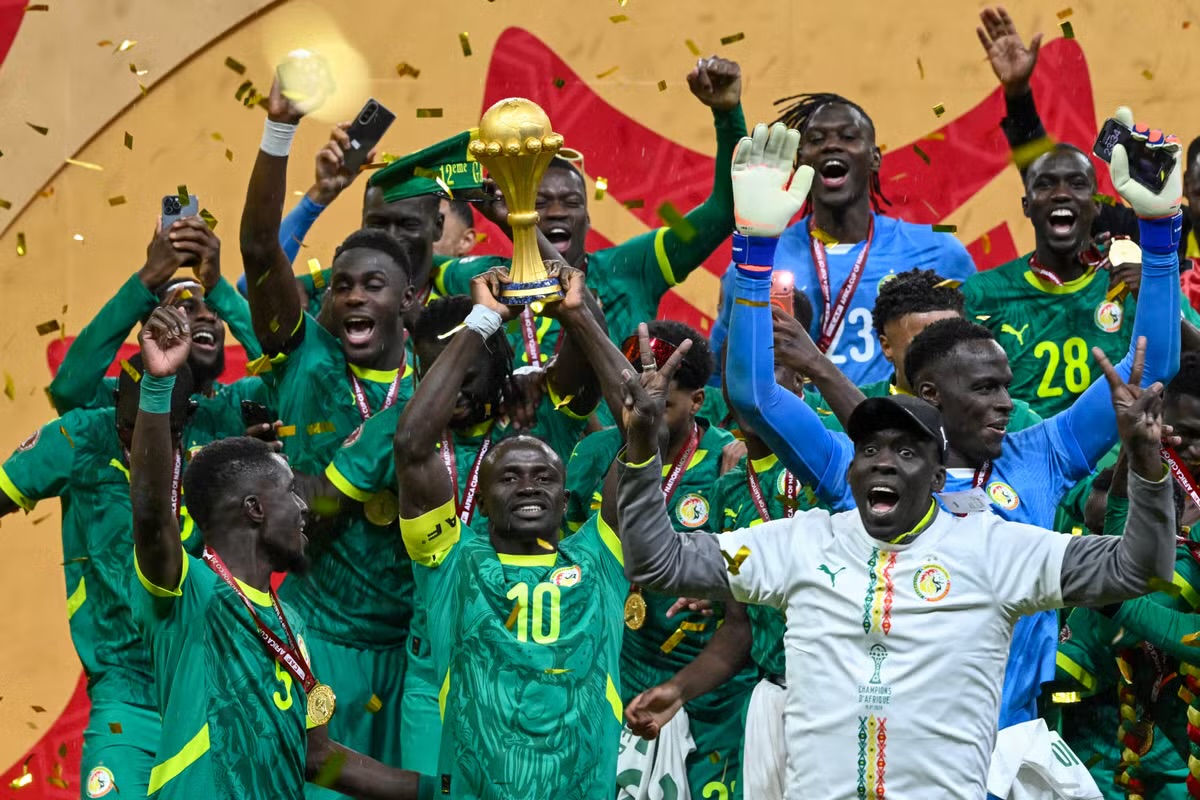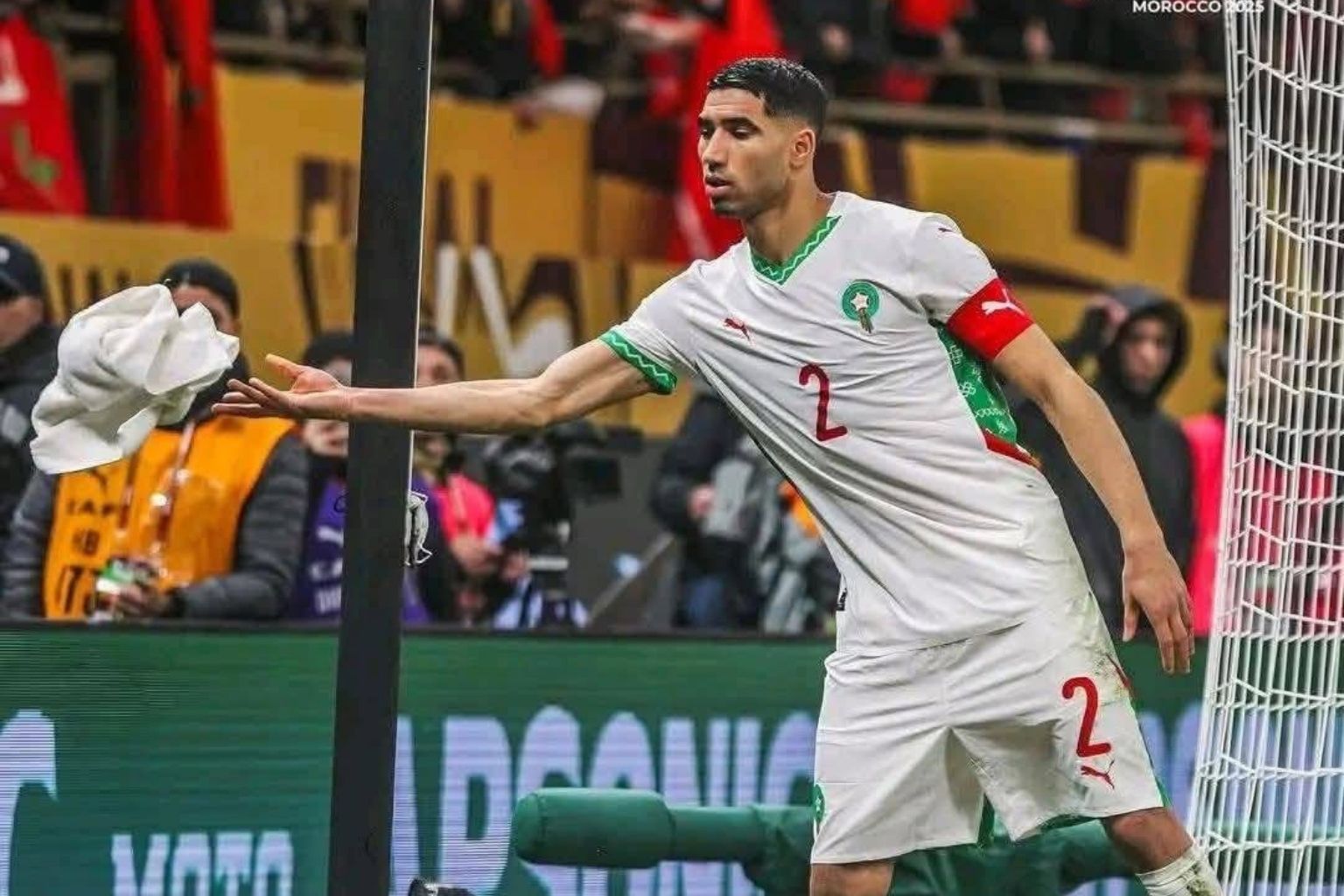
Africa's flagship tournament returns to its biennial rhythm after CAF reviewed and scrapped its December decision to stage AFCON every four years.
Africa's biggest football party is keeping its old heartbeat. The African Cup of Nations will return to its traditional two-year cycle after CAF reviewed its December decision to move the tournament to a four-year schedule.

The U-turn reverses one of the most debated calls in recent African football governance. Moving AFCON to a four-year cycle would have changed the rhythm of the continent's football calendar, stretching the wait for its marquee event and reshaping how nations, players and fans plan around it.
For supporters, the biennial format means more regular chances to see the continent's stars wear national colours on the biggest African stage. For federations, it keeps a familiar landmark in the calendar, giving emerging squads and rising talents a steady path to continental glory.

The reversal also shows that the pushback over the four-year plan was heard and acted on. AFCON has long been central to the identity of African football, and the decision to keep it every two years protects that tradition as the game on the continent continues to grow.