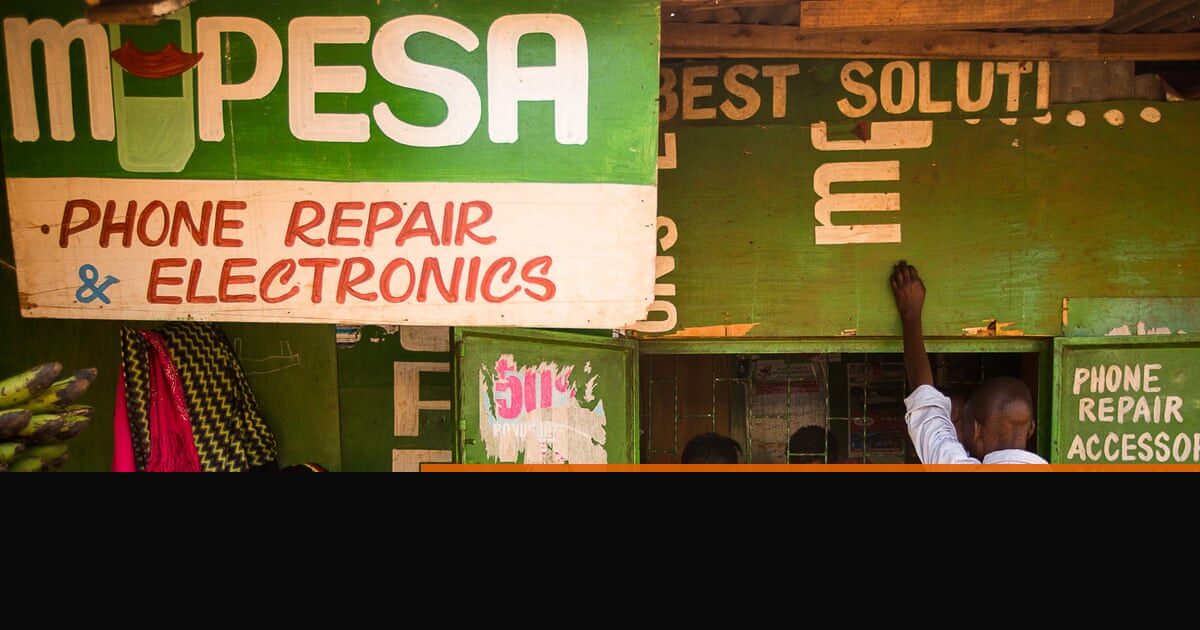
A Johannesburg transplant's ATM story shows how outdated images keep the world from seeing Africa's innovators and business leaders.
Africa has never been the broken continent the Live Aid era painted it to be. That picture lives in the minds of outsiders, and writer and storyteller Moky Makura says it is the biggest barrier between the continent and the global recognition it deserves.
Thirty years ago, not long after South Africa emerged from apartheid, Makura left London for Johannesburg to build a better life. Soon after, a friend in the UK planning a visit phoned with a question: do they even have ATMs in South Africa? The answer was yes. In plenty of ways, South Africa's banking system was more advanced than the one Makura had left behind in Britain. Her friend was relieved she wouldn't need to carry a thick wad of cash around the country.
It's a funny story, but it points to something serious: a "visibility gap." Across the continent, entrepreneurs, innovators and business leaders are driving real progress in fintech, creative industries, technology and beyond. Yet the world often can't see it, because old stereotypes of poverty and crisis still filter what outsiders notice.
For Afroballers, this matters. The same lens that underestimates African banking also overlooks African talent, ambition and infrastructure in sport and culture. Closing the gap means telling our own stories loudly, with specifics, and refusing to let a decades-old image define a continent that is busy building the future.