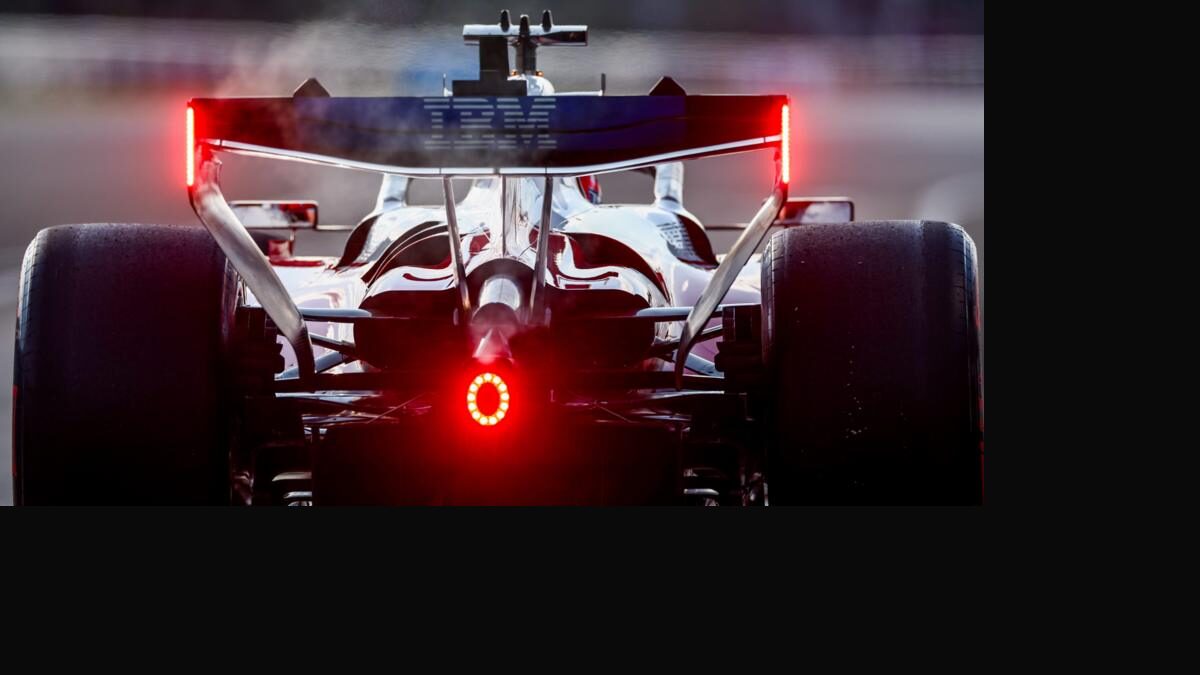
After the United States Grand Prix, one question dominates the paddock: how much of Kimi Antonelli's success is the driver, and how much is the car?
Every young star in Formula 1 gets the same question sooner or later: is it the driver or the machine? After the United States Grand Prix, Kimi Antonelli is firmly in that spotlight, and the debate over how much of his success is pure ability is one of the hottest topics in the paddock.

Separating talent from equipment has always been F1's trickiest puzzle. A front-running Mercedes gives any driver a platform, but a platform only goes so far. The real tells are in the details: how a driver handles pressure in traffic, how quickly he learns new circuits, how well he looks after his tyres over a stint, and how he recovers from mistakes. Those traits belong to the driver, not the garage.
The cleanest yardstick is the teammate. Same car, same team, same upgrades. If a driver consistently holds his own or beats the man in the other seat, it's hard to credit the hardware alone. Add the rapid learning curve a young driver has to climb, and the picture gets clearer: strong machinery opens the door, but you still have to drive through it.

The verdict is rarely black and white. Great results in F1 come from a blend of talent, timing and a competitive package, and Antonelli has the first two working in his favour. The more races he strings together, the less the debate will be about the car and the more it will be about just how good he really is.