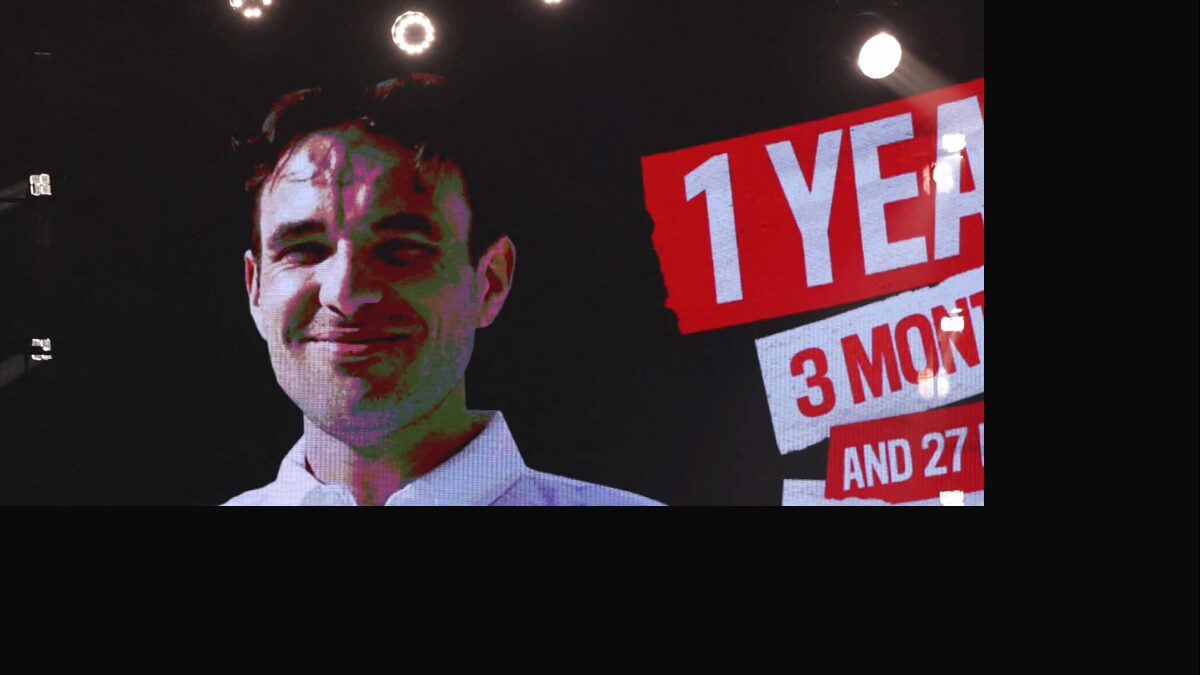
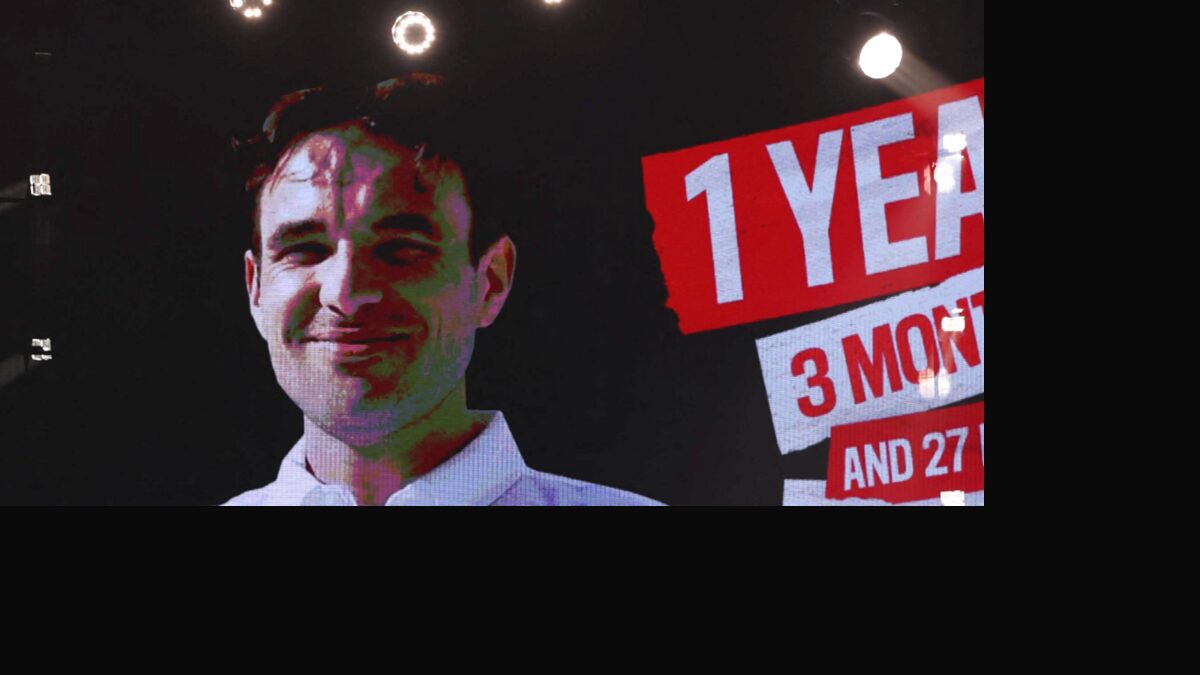
Football's biggest night in Paris became a platform for a reporter locked up in Algeria after travelling to the sensitive Kabylie region.
Football's glitziest night has run into a hard question about press freedom in North Africa. The Ballon d'Or ceremony put the case of a French journalist jailed in Algeria in front of the global game, after he was accused of supporting terrorism following a trip to Kabylie.
Kabylie is the mountainous, mainly Amazigh region east of Algiers. It is politically sensitive, and it is also a football heartland with deep local pride in its club side. Algerian authorities treat activity linked to separatist politics there with extreme seriousness, and the terrorism-related charge reflects that climate.
The journalist's supporters see a reporter doing his job, travelling to cover a sports story and speaking to people on the ground. The Algerian authorities see something else, and the case sits where reporting, politics and national security collide. Press freedom advocates argue that covering a region is not the same as endorsing anything that happens there.

The ceremony is built to celebrate brilliance on the pitch, from African stars to the next generation of talent. Using that stage to name a jailed colleague was a reminder that the stories around football, from the clubs to the communities that live them, are often reported at real personal risk. For fans across Africa and the diaspora, it puts the spotlight on who gets to tell those stories, and what it can cost them.