CAF has asked all 54 member associations to pick a side, and the answer could reshape Africa's biggest football showpiece.
Africa's biggest stage is facing its biggest question. The Confederation of African Football has asked its 54 member associations to say whether the Africa Cup of Nations should stay on its two-year rhythm or shift to a four-year cycle, with positions due by Wednesday, October 28.
Early signals suggest plenty of associations lean toward keeping the biennial format. Their responses are expected to feed into the next round of talks on how the tournament is scheduled, so every submission carries weight.
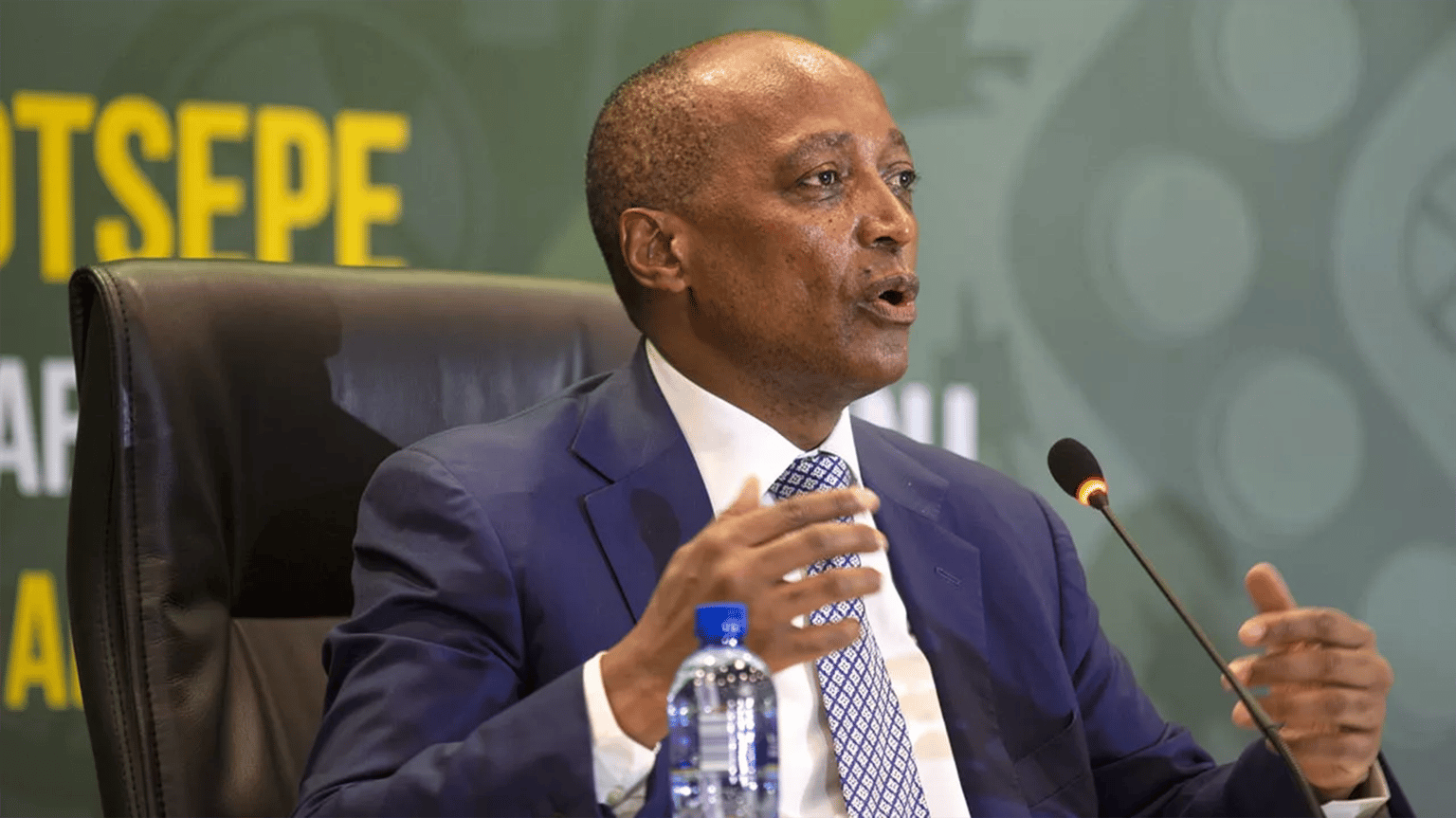
How did we get here? CAF president Patrice Motsepe announced in December 2025 that AFCON would move to a four-year cycle from 2028, part of a broader review of African competitions and an attempt to ease a jammed international calendar. But reported pushback has forced a rethink, and the tournament's future frequency is now unsettled.
The case for the two-year cycle is largely about opportunity. Backers say a more frequent AFCON gives more nations a chance to host, spurs investment in stadiums and sporting infrastructure, and delivers regular economic boosts. For many federations, that is not just about football but about development, visibility and national pride.
The other side of the argument centres on calendar pressure and the long-term shape of African football. Whichever way the associations lean, the outcome will affect players, clubs, hosts and fans across the continent. Africa is about to decide how often it wants its crown jewel.