A memorial lecture to Claudia Jones asks how diasporic reporting can build community and refuse to be defined by the western white gaze.
The diaspora has always told its own stories, and a recent Claudia Jones memorial lecture, hosted by the UK National Union of Journalists, put that tradition back in the spotlight. Jones, the pioneering Trinidad-born journalist and activist who founded the West Indian Gazette in London, remains a towering reference point for anyone asking what Black media is meant to do.

The lecture was delivered by the writer behind The Long Wave newsletter, which marks its second anniversary this year. Drawing on the strong response from readers, the speaker argued that Black journalism is about more than filling gaps in mainstream coverage. At its best, it creates community, gives people a place to see themselves, and refuses to treat the western white experience as the default lens on the world.
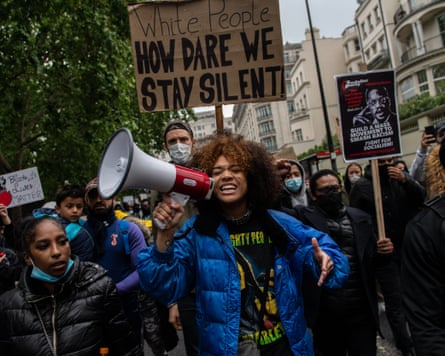
The timing matters. The lecture came in the long shadow of the Black Lives Matter movement, and amid the fallout from neoliberalism, the rise of the far right and relentless culture wars. Over the past decade, several moments have swelled with real possibility and then faded, leaving less change than many had hoped for. Certainty feels scarce, and that is exactly why the speaker made the case for protecting space to think, question and report on our own terms.
For African and diaspora audiences, the message lands close to home. From Lagos to London, Accra to Atlanta, our stories carry more weight when we are the ones framing them. Jones understood that, and the challenge now is to keep building platforms that put community first and ask the question she lived by: who are we telling this story for?