From Groot Constantia to the wider Cape winelands, descendants of enslaved people are putting their ancestors back at the center of the story.
South Africa's vineyards were built by enslaved hands, and the descendants of those people are now claiming their place in the story. Across the Cape winelands, a small but growing number of estates are facing a past that the industry's glossy marketing has long skipped over.
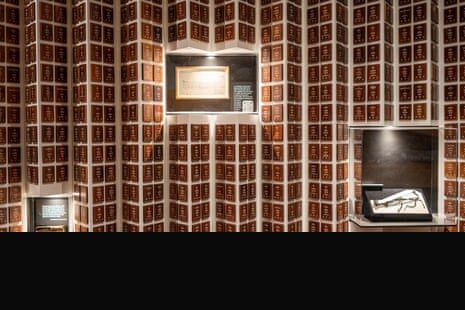
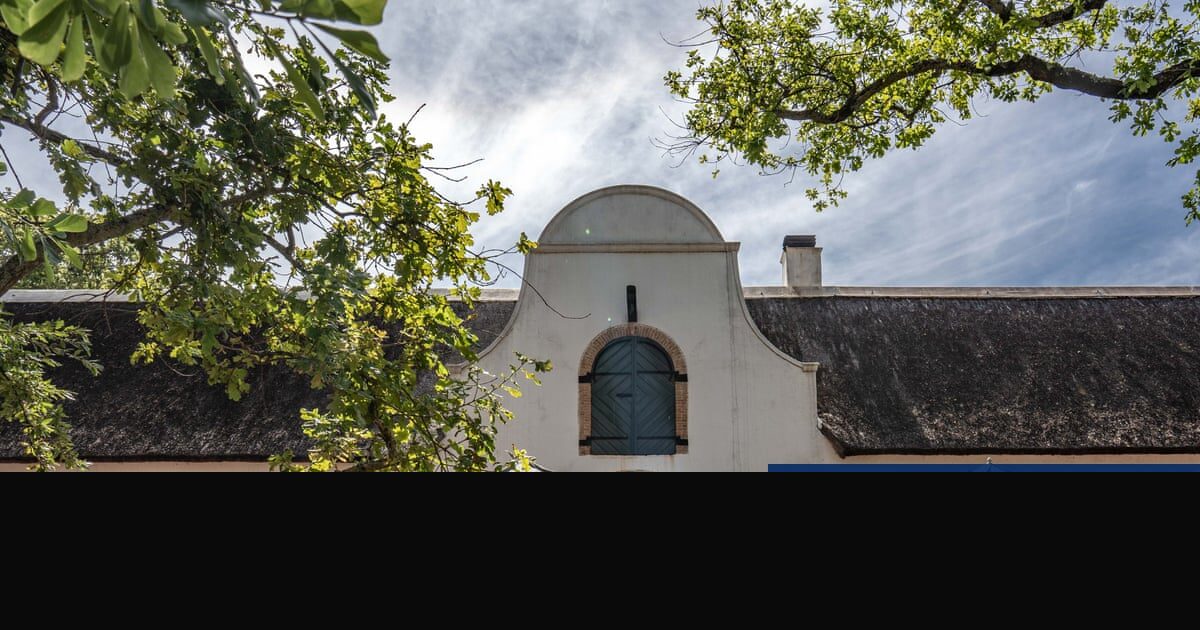
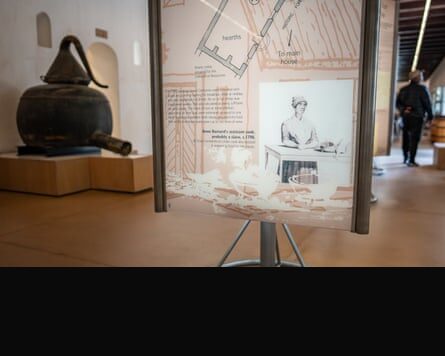
Groot Constantia, the country's oldest wine farm, shows how that shift looks on the ground. Founded in 1685, the estate draws around 450,000 visitors a year who come for the mountain-ringed views and a glass of Grand Constance, the sweet wine said to have charmed Napoleon. What sets it apart from many of its neighbors is a museum, run by the state body Iziko Museums, that tells the story of slavery on the land.
Panels walk visitors through the daily realities of the roughly 30 enslaved people who lived on the estate at any given time, from the founding of the farm until British colonial authorities abolished slavery in 1834. They cover the labor these men, women and children performed and even the food they ate. It is a deliberate effort to give names, detail and dignity to people who were treated as property.
For descendants, the message is simple and powerful: we built this land. The wineries now engaging with that legacy are still the exception rather than the rule, but the push to acknowledge the past, and to put right some of its wrongs, is gaining momentum. Telling the full story is one step toward giving descendants real agency in an industry their ancestors made possible.