Gabon's ancient iboga root could help treat addiction, and the country is determined to keep its heritage from being taken by Western drug companies.
Gabon is drawing a line in the rainforest soil. The Central African nation is fighting to protect iboga, a sacred root at the heart of its spiritual traditions, from being claimed and commercialized by pharmaceutical firms abroad.

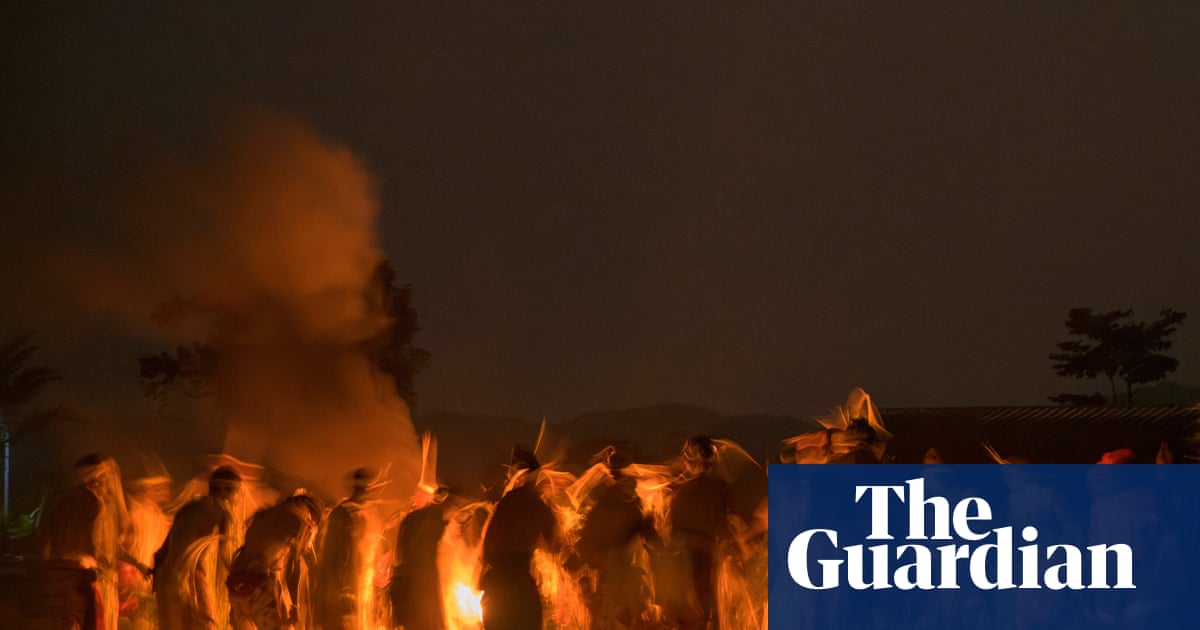
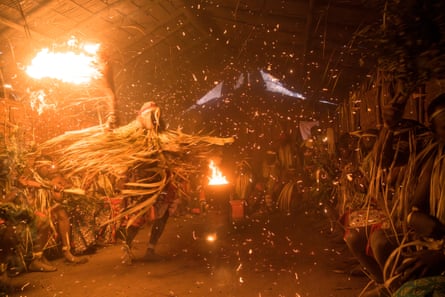
Iboga comes from Tabernanthe iboga, a slow-growing shrub native to Central Africa's forests. For generations, its bitter root bark has been used in Gabonese ritual practice. In temples lit by candlelight, worshippers sit shoulder to shoulder beneath palm fronds and take the root through the night as part of ceremonies passed down over centuries.
Now the wider world is paying attention. Researchers and drug developers believe iboga could hold major promise for treating addiction and certain mental health conditions, a buzz reminiscent of the global rush around ayahuasca. That interest has raised an urgent question: who owns the knowledge, and who gets to profit from it?
For Gabon, this is about more than patents and profit. It is about cultural sovereignty, and about making sure the communities that have safeguarded iboga for generations are not pushed aside while outside companies cash in. The country's stance sends a clear message across the continent: Africa's heritage is not a free resource, and its custodians must lead the conversation.