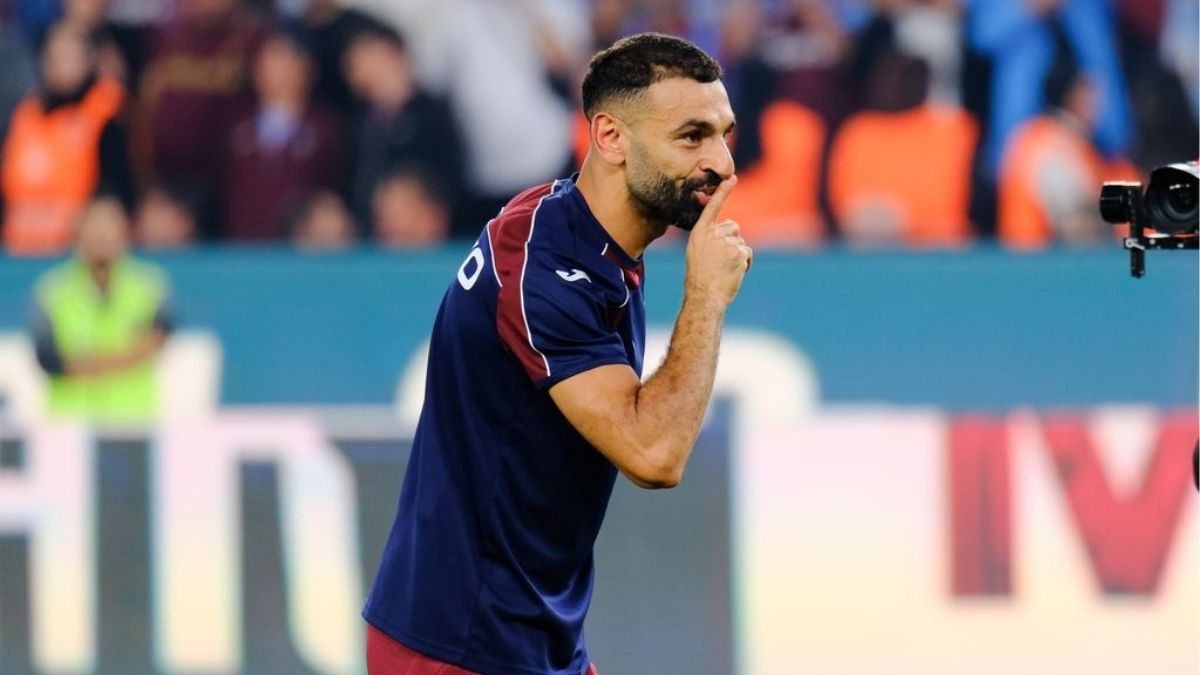
When temperatures soar, tactical masterclasses melt away - and African teams know this game better than anyone.
The scorching heat doesn't just test players' endurance - it rewrites the entire tactical playbook. As global tournaments increasingly venture into warmer climates, teams are discovering what African nations have known for decades: when the mercury rises, football transforms into a completely different beast.
African sides have long mastered the art of heat-adapted football, developing tactical systems that maximize efficiency while minimizing energy expenditure. Countries like Senegal and Nigeria have built their international success around quick, explosive phases of play followed by calculated conservation periods. This isn't just smart coaching - it's evolutionary football intelligence born from playing in some of the world's most challenging climates.
The tactical shifts are dramatic and immediate. High-pressing systems collapse under extreme heat, forcing teams to adopt deeper defensive blocks and rely on lightning-quick counter-attacks. Possession-based football becomes a luxury few can afford when every unnecessary touch drains precious energy reserves. Substitutions transform from tactical tweaks into survival necessities, with managers forced to rotate players like chess pieces to maintain intensity levels.
For African teams competing on home soil or in similar conditions, this climate advantage becomes a secret weapon. While European powerhouses struggle to adapt their energy-intensive playing styles, African nations can deploy their natural tactical flexibility and physical conditioning. The heat doesn't just level the playing field - it tilts it toward those who've learned to dance with the sun rather than fight it.