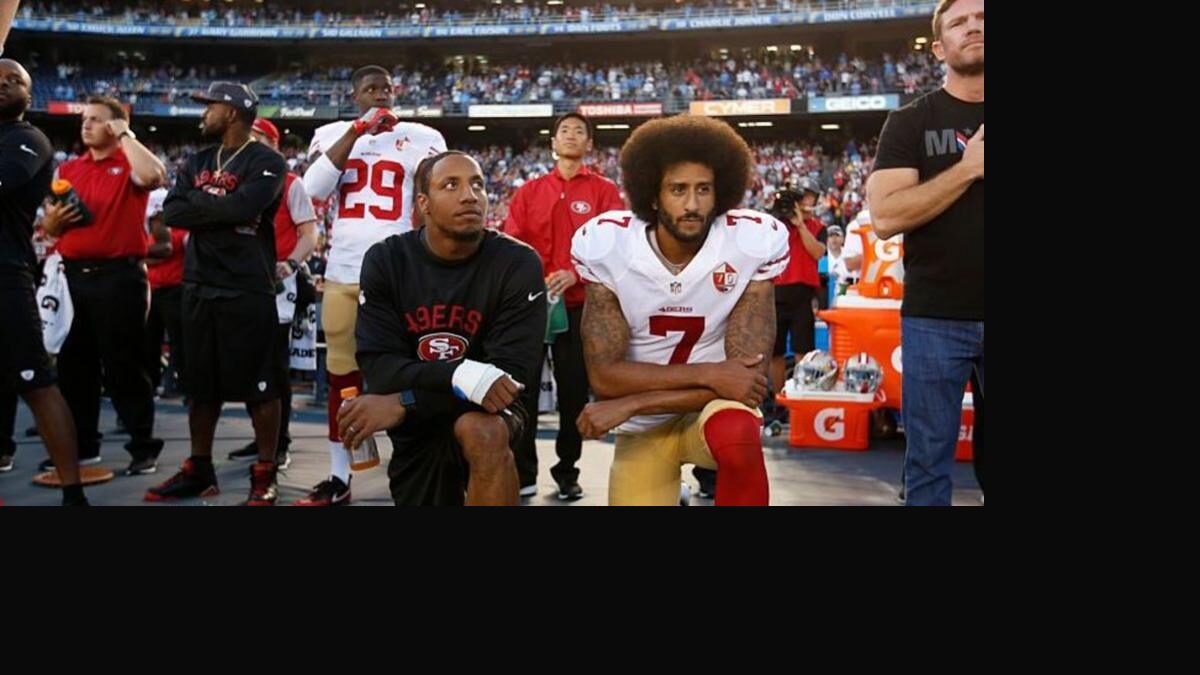
Colin Kaepernick stands firm on his anthem protest, and his message still echoes for Black athletes from Lagos to London to Johannesburg.
For Black athletes across Africa and the diaspora, Colin Kaepernick's stance has never been just an American story. In a fresh sit-down interview, the former NFL quarterback made it plain that he has no regrets about the protest that changed his career and shook global sport: he would absolutely do it again.

It started in 2016, when Kaepernick, then with the San Francisco 49ers, chose to kneel during the US national anthem to highlight racial injustice and police brutality. The gesture divided opinion, drew fierce criticism and praise in equal measure, and left him without an NFL team. He has not played in the league since.
What followed was bigger than one player. Kneeling became a symbol that crossed borders and codes. By 2020, athletes in football, rugby, basketball and beyond were using the same gesture to stand against racism, from stadiums in Europe to grassroots pitches far from the NFL spotlight. For young players of African descent navigating predominantly white institutions abroad, and for those back home watching their heroes speak up, Kaepernick's example was a reminder that talent and conscience can share the same stage.
His refusal to back down now carries its own weight. Years on, the conversation about athletes, activism and the price of speaking out is far from settled. Kaepernick's answer is the same one he gave then: the cost was worth it, and the message still matters.