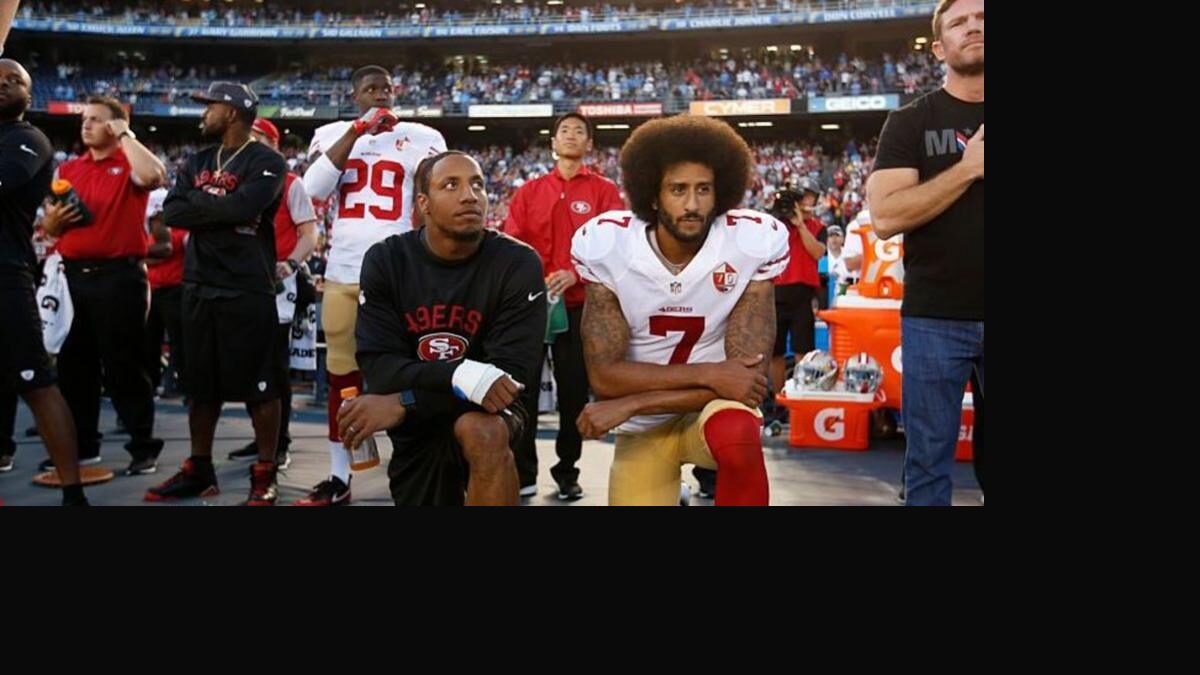
A decade after he took a knee, Colin Kaepernick says he'd do it all again, and his stand still echoes from the US across the African diaspora.
For Black communities across Africa and the diaspora, from Lagos to London to Johannesburg to Atlanta, Colin Kaepernick's kneel was never just an American story. It was a statement about dignity, justice and the cost of speaking up. Ten years on, the former NFL quarterback is looking back, and his message is unchanged: he would do it again.
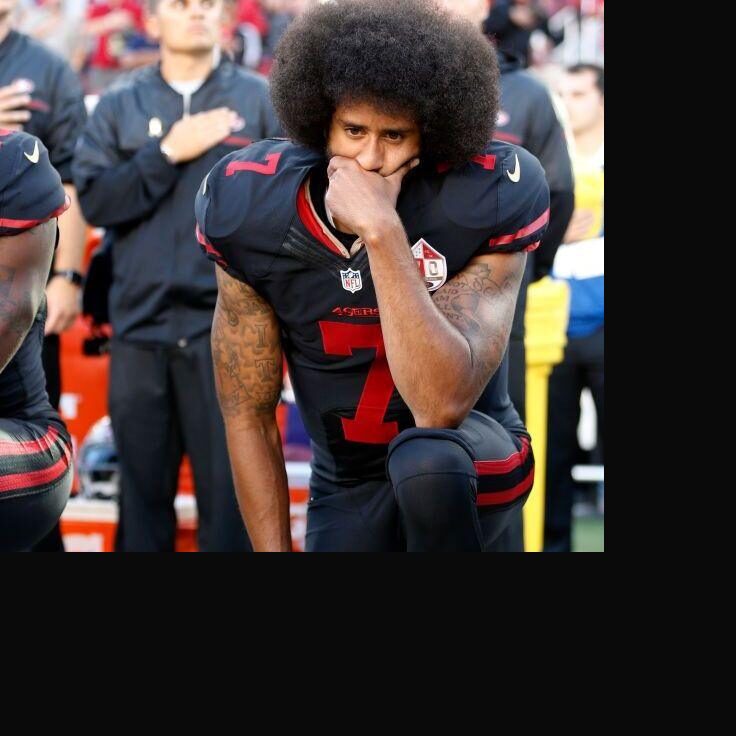
Kaepernick began his protest during the national anthem in 2016, first sitting and then kneeling, to challenge racial injustice and police brutality in the United States. What started as one quarterback's silent act became one of the defining sports and culture moments of the decade, dividing opinion and pushing athletes everywhere to ask what they owe their communities.
The price was heavy. Kaepernick left the San Francisco 49ers in 2017 and never played in the league again, a fact that still fuels debate about how far the sport will go in tolerating dissent. In his first interview with the BBC since that first kneel, he reflects on the journey and what it has cost him, and he does not flinch.
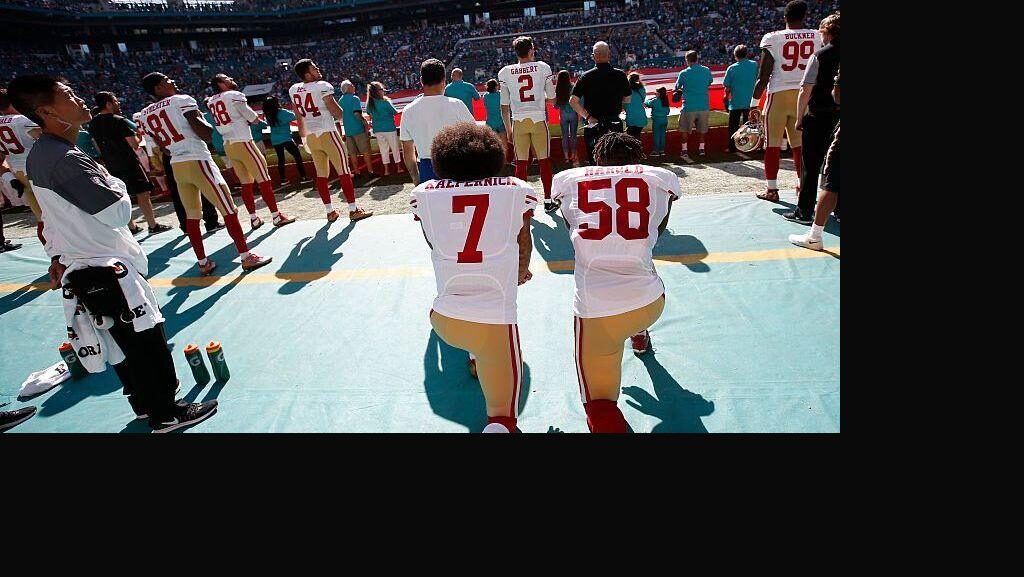
That resolve is why his story still lands with the African diaspora. Many of us know what it means to carry a conversation about race and belonging into spaces that would rather stay quiet. Kaepernick's decade of conviction is a reminder that athletes are not just entertainers. They can be voices, and sometimes the loudest ones come at a personal price.
The kneel has outlived the headlines, the arguments and the contract that never came. A decade later, the man at the centre of it says he has no regrets, and the conversation he started is still going.