The Cameroonian-Algerian heritage star said sorry after a Mao comment stirred anger, but censorship has left many unsure what he actually said.
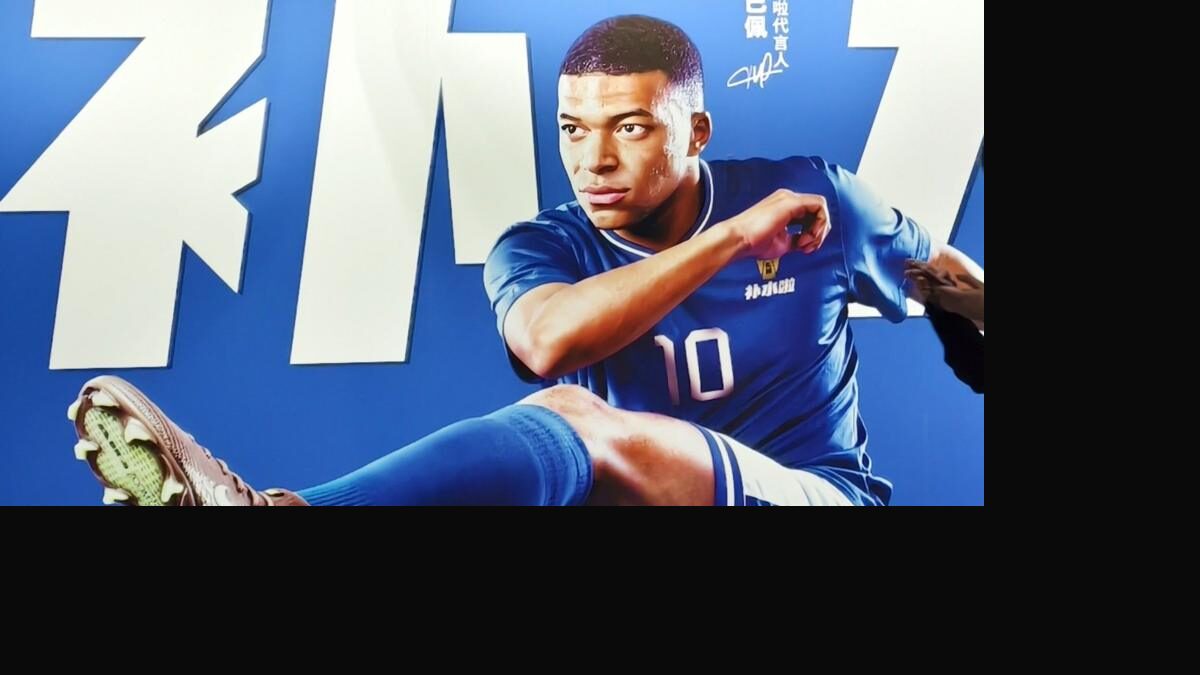
Kylian Mbappé, the son of a Cameroonian father and an Algerian mother, is one of the most recognisable faces the African diaspora has ever put on the world stage. This time that reach landed him in a geopolitical storm. After a comment about Chinese leader Mao drew anger, the France superstar apologised to China.
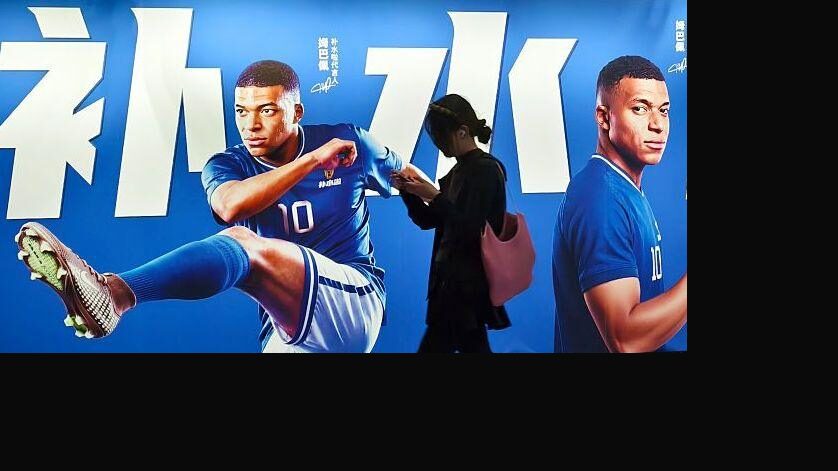
What makes the saga so strange is how little people can pin down. Censorship in China has muddied the trail, and many who watched the apology unfold still can't say exactly what Mbappé said to cause the offence. The reaction was loud, but the details were quickly buried.
For a footballer of his stature, that is the new reality. Mbappé's following stretches across continents, and brands, fans and governments all pay attention to what he says. Mao remains a deeply sensitive subject in China, so one remark can become a diplomatic-sized headache for a player whose commercial value depends on a global audience.
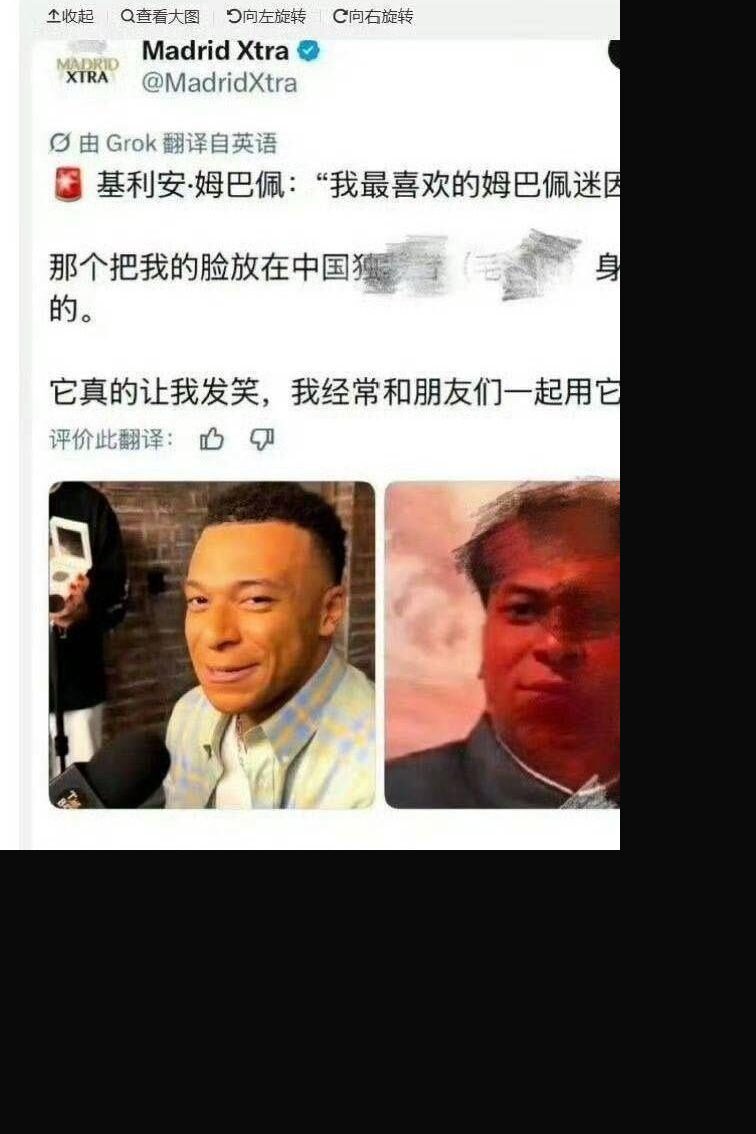
For African and diaspora fans, the episode shows both the power and the pressure that come with that influence. Players with roots across Africa and Europe now carry cultural weight far beyond the pitch, and every word is read through a political lens. Mbappé's apology closes this chapter, but the lingering confusion over what he said is a reminder of how tightly narratives can be controlled when sport and politics collide.