From Riyadh to Doha to Manama, regional conflict is shaking up the sports calendar, and African talent in the Gulf is watching closely.
African and diaspora athletes have become a big part of the Gulf's sporting story, whether in football squads, athletics meets or combat sports cards. So when conflict in the Middle East puts pressure on events in the region, the ripple effects reach well beyond the host nations.
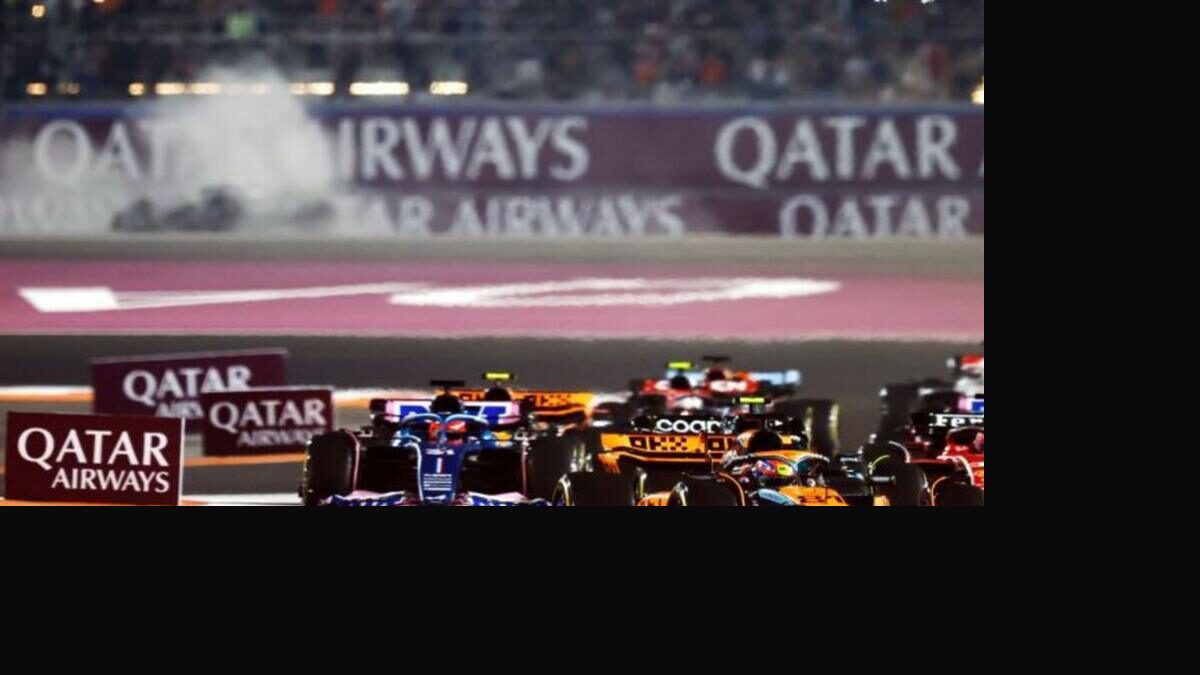
Saudi Arabia, Qatar and Bahrain have spent years building themselves into major sporting destinations, with marquee tournaments, motorsport weekends, boxing nights and high-profile club football. That ambition depends on a stable, predictable calendar, and the ongoing conflict is testing exactly that. Organisers, broadcasters, sponsors and governing bodies are weighing logistics, security and travel questions that were once afterthoughts.
For athletes, the concerns are practical. Travel plans, training camps, team schedules and contract situations can all be affected when the regional picture shifts. Fans and staff who travel for events are also part of the equation, and many have family and professional ties across several countries in the area.
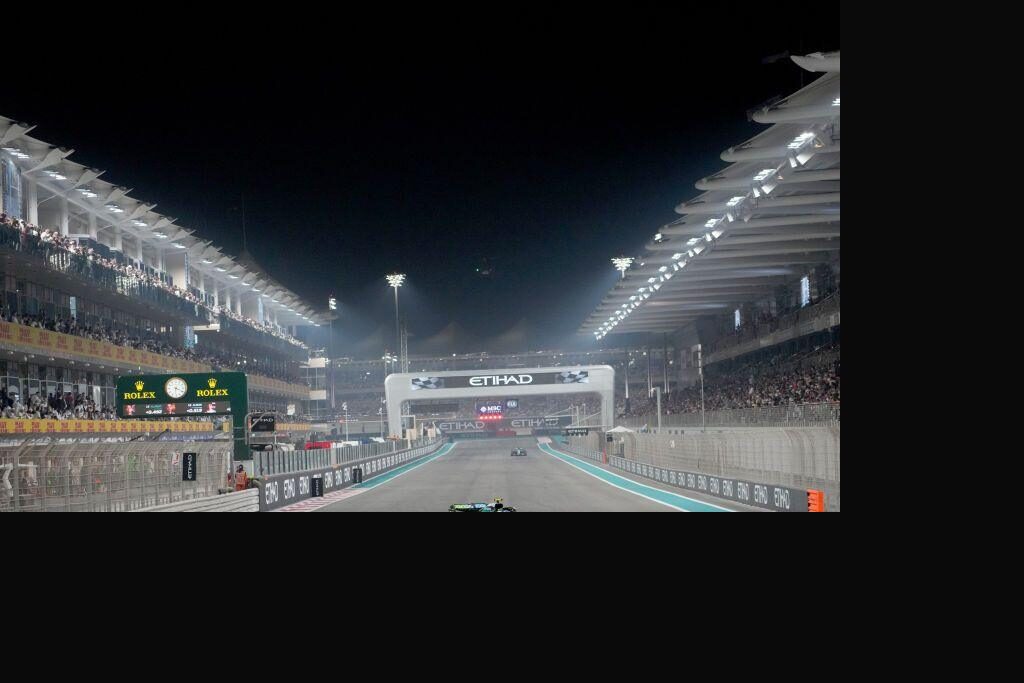
The bigger question is how the Gulf's sports ambitions hold up under pressure. Qatar showed on the world stage that the region can host at the highest level, and African fans remember Morocco's run at that tournament. But as long as uncertainty hangs over the region, expect more contingency planning, more schedule watching, and plenty of eyes on how governing bodies respond.
Afroballers will keep tracking how this develops for African players and athletes with ties to the region.