From Saudi Arabia to Qatar and Bahrain, the Gulf's big sporting events face fresh pressure, and African talent and fans have a stake in how it plays out.
The Gulf has become a second home for African football. Stars from across the continent now light up the Saudi Pro League, and Qatar gave Morocco the stage for their historic World Cup semi-final run in 2022. So when conflict in the Middle East disrupts the region's sporting calendar, the ripple effects reach African players, fans and federations too.
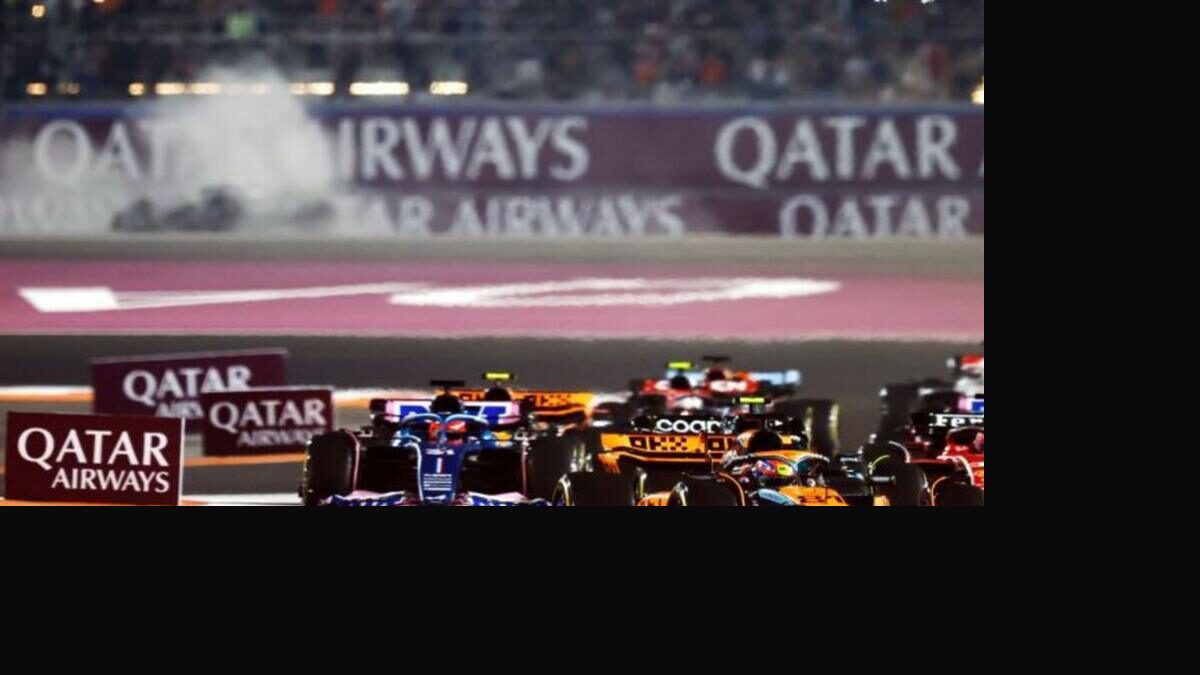
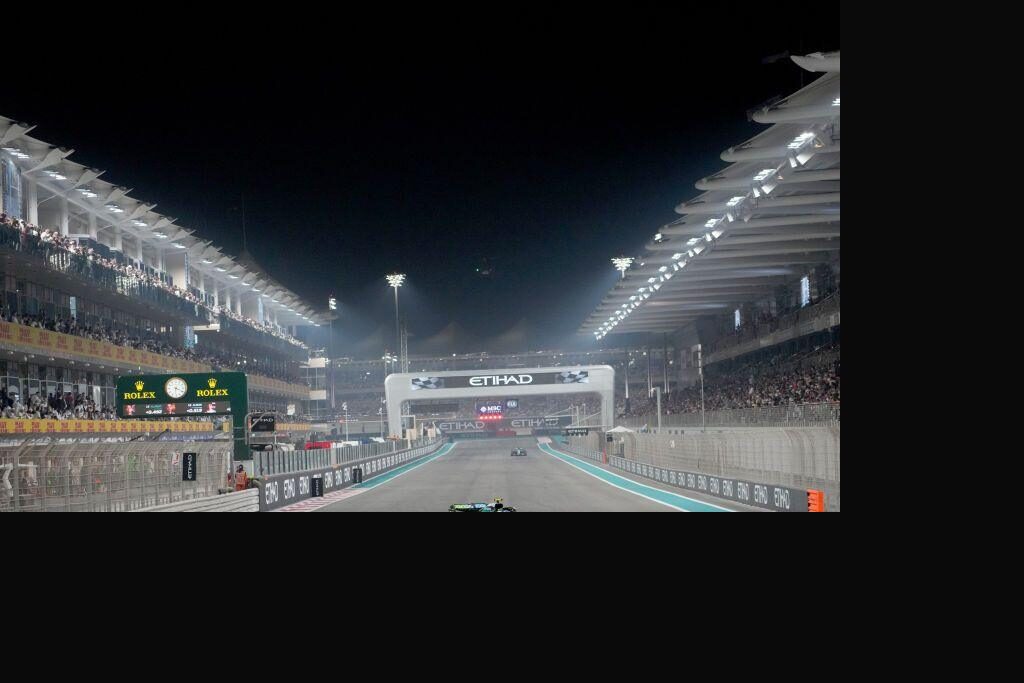
Saudi Arabia, Qatar and Bahrain have spent years building themselves into global sports destinations, hosting everything from motorsport to football, boxing and tennis. That growth depends on one thing above all: stability. With the wider region unsettled, organisers face tougher questions about security, travel and scheduling, and about how confident teams, sponsors and supporters feel about showing up.
For athletes, the concerns are practical. Travel routes, insurance, security protocols and the simple matter of whether an event goes ahead as planned all become part of the conversation. Rights holders and governing bodies must weigh the commercial value of staging marquee events against the responsibility to keep everyone safe.
For African sport, the stakes are real. Gulf money has opened doors for players seeking bigger contracts, for federations chasing investment and partnerships, and for fans who follow their heroes abroad. How the region's events adapt in the months ahead will shape not just the Gulf's sporting ambitions, but the opportunities flowing to African talent along with them.