The days of worrying about split backfields are over as NFL teams embrace the two-back system that's reshaping draft strategies.
The NFL landscape is witnessing a seismic shift in how teams evaluate running back talent, and it's turning conventional draft wisdom on its head. Where sharing carries once raised red flags about a prospect's ability to handle a full workload, today's league increasingly values the fresh legs and specialized skills that come from backfield partnerships.
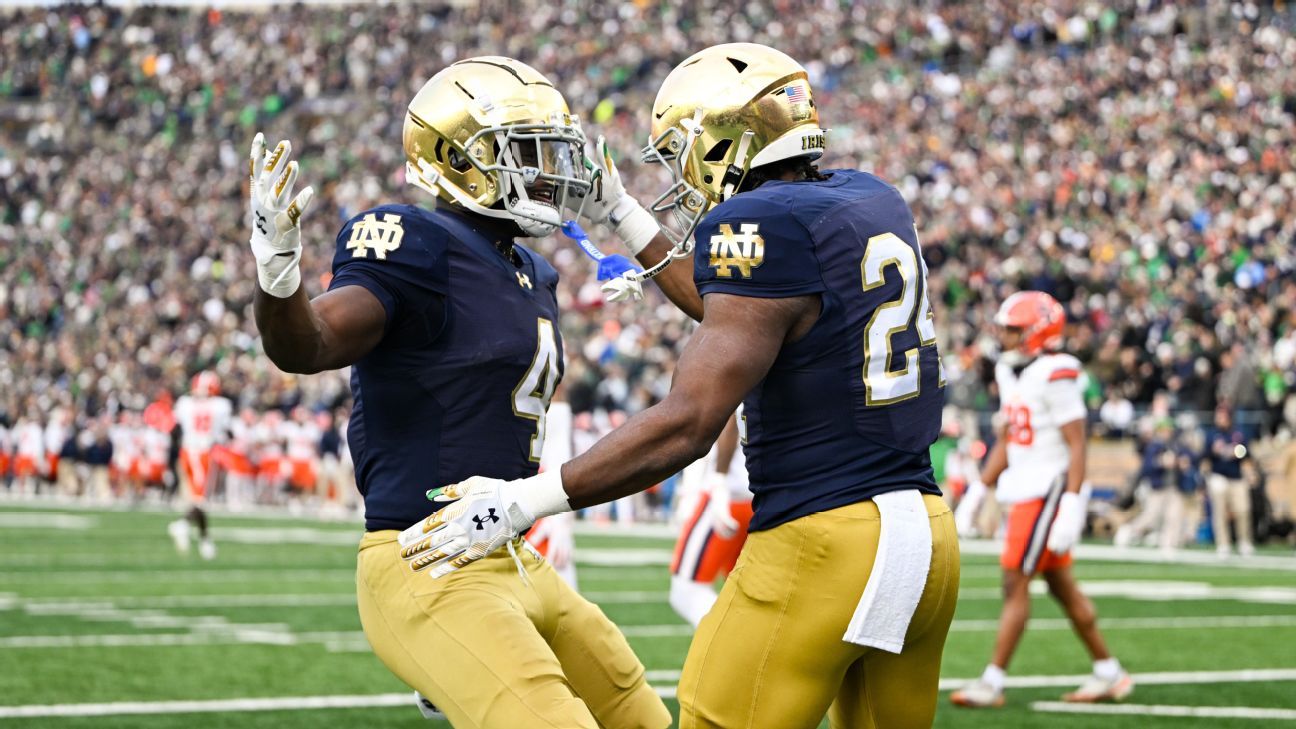
This evolution couldn't come at a better time for several elite prospects who've thrived in tandem systems throughout their college careers. Teams are recognizing that the punishing nature of the modern NFL game makes the traditional bellcow back a luxury few can afford to maintain over a full season. Instead, complementary skill sets – one back excelling in power situations while another dominates in space – are becoming the gold standard.
The shift mirrors broader trends across professional sports, where load management and player preservation have become critical competitive advantages. NFL front offices are studying how successful franchises deploy multiple backs to maximize offensive efficiency while extending careers. This approach has already proven successful for teams willing to invest in depth rather than relying on a single workhorse.
For upcoming draft classes, this represents a fundamental change in evaluation criteria. Running backs who once worried about sharing touches can now point to their versatility and fresh legs as selling points. The question is no longer whether a player can handle 300 carries, but how effectively they can impact games within a rotation that prioritizes peak performance over raw volume.