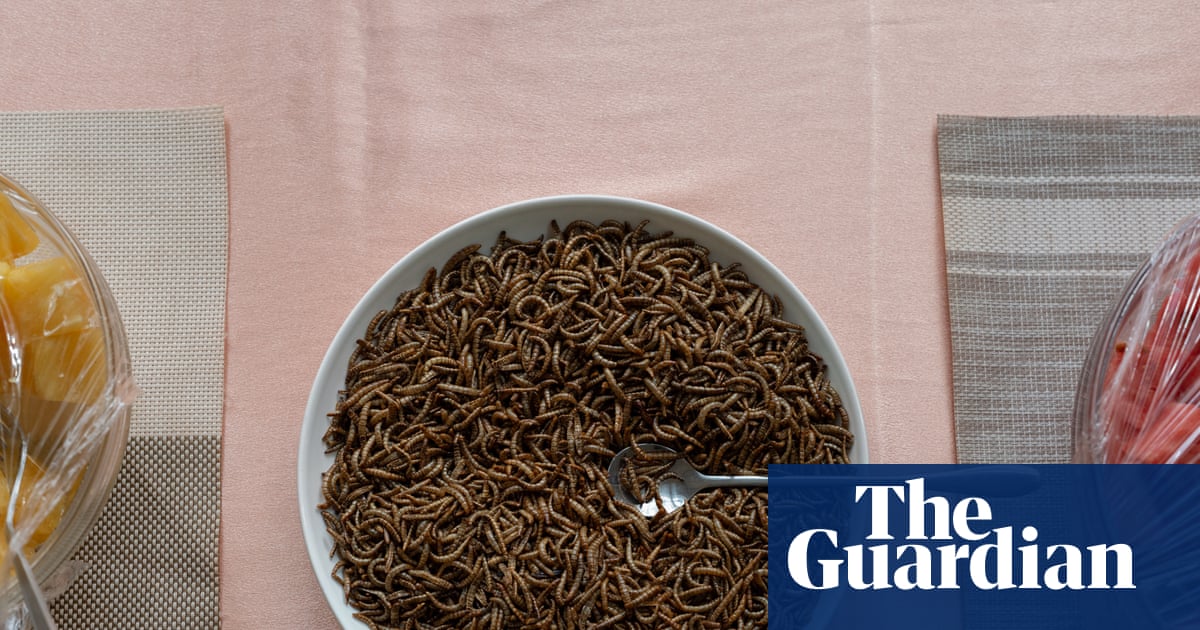
In Kyaka II, refugees are turning black soldier fly larvae into cheap feed, richer meals and a smarter way to earn a living.
In Uganda's Kyaka II refugee settlement, Kanane Bikanyale is proving that big solutions can come in tiny packages. A short walk from his home, he feeds black soldier fly larvae to chickens housed in a coop built above a fishpond. The birds swarm the larvae and clear them in seconds.
Bikanyale raised chickens before he fled the Democratic Republic of the Congo, but the cost of commercial feed and the scarcity of ingredients made the work harder and harder. That squeeze is familiar to millions of smallholder farmers across the continent, where margins are razor thin and one price spike can wipe out a season.
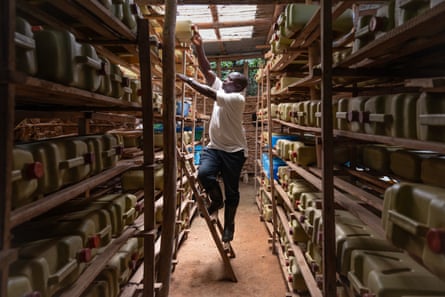
So he went with the bugs. Larvae grow in modified jerrycans, while adult flies breed in netted boxes nearby, creating a steady loop of production that costs far less than store-bought feed. The insects are packed with nutrients, and they can also feed fish and help produce fertiliser, so one small setup can serve several needs at once.
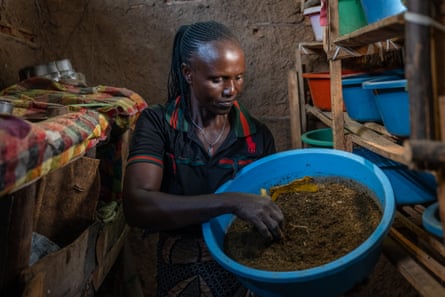
The benefits stretch beyond the household. Families can raise livestock more affordably, put better food on the table and ease the pressure on land that is already stretched. For refugees rebuilding from scratch, insect farming offers a low-cost, practical route to food security and a sustainable income. It is homegrown innovation, and it is already working.