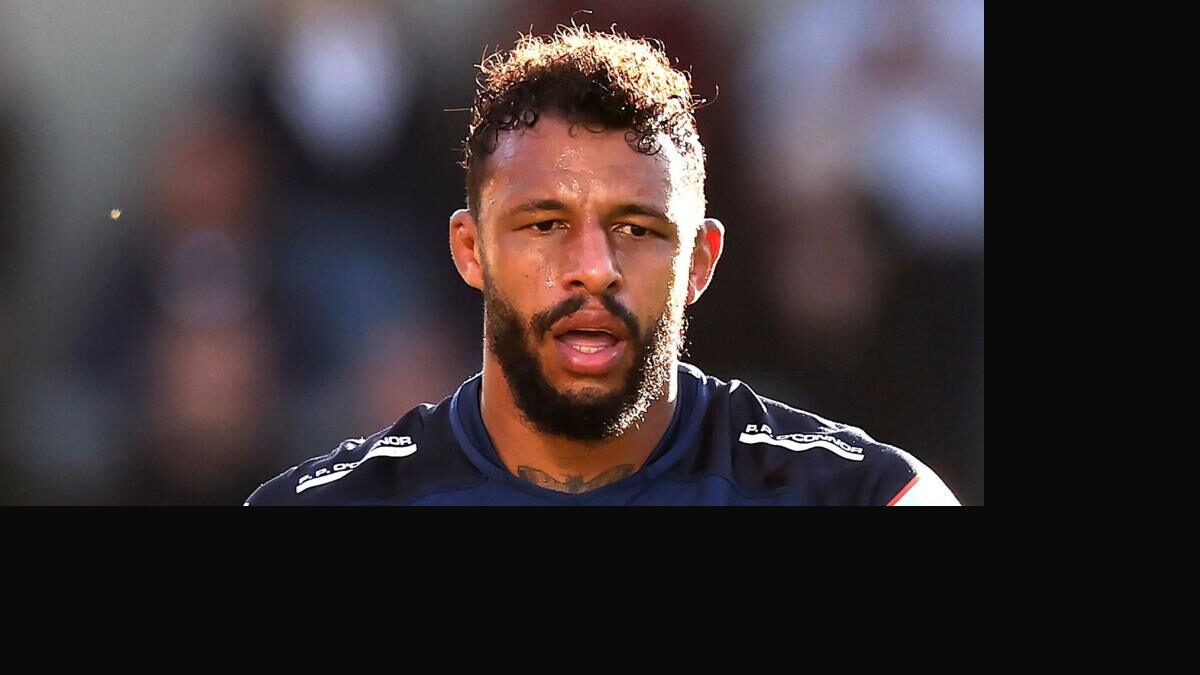
As top clubs lean on data to find talent, African players could be the biggest winners or the most overlooked.
For African rugby talent, the next big scout might not be a man on the touchline but a spreadsheet. Top clubs are leaning harder on data analytics to decide who they sign, and that shift could change how players from South Africa, Namibia, Zimbabwe, Kenya, Madagascar and beyond get noticed on the global stage.

The idea is borrowed from baseball's famous Moneyball revolution: use numbers to spot value that traditional scouting can miss. In rugby, that can mean tracking things like tackle success, carry impact, work rate, ruck speed and how consistently a player performs over a season, rather than relying only on reputation or a highlight reel. Clubs hope to find undervalued players and avoid expensive mistakes in a sport where one injury or poor fit can wreck a squad plan.
That could be a real opening for Africa. Plenty of talented players come through school systems, academies and domestic competitions that don't get the same spotlight as the big European leagues. If performance data can be gathered and compared fairly, a standout in a lesser-watched competition could suddenly look as attractive as a hyped name from a bigger setup. Players who might once have slipped through the cracks could land on recruitment boards.

There is a catch, though. Data is only as good as the systems collecting it. If African competitions lack consistent tracking, video coverage or analytics support, players could stay invisible no matter how good they are. The challenge for unions, clubs and academies across the continent is to build the infrastructure that turns talent into evidence. Rugby's data revolution is coming either way, and the question is whether Africa is ready to be counted.