
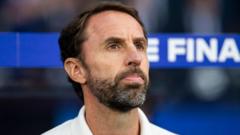
The former Three Lions boss turned down lucrative media offers, believing his presence could derail England's tournament ambitions.
Gareth Southgate has revealed he deliberately stepped away from World Cup punditry opportunities, fearing his analysis could become an unwelcome distraction for England's campaign. The former Three Lions manager, who led England to a World Cup semi-final and European Championship final, made the calculated decision to avoid the spotlight during what many consider a crucial tournament for English football.
Southgate's choice highlights the delicate balance between media obligations and team dynamics that managers across all levels of football must navigate. His concern about becoming a distraction mirrors similar situations faced by coaches throughout African football, where former national team bosses often find themselves in the media spotlight during major tournaments.
The decision speaks to Southgate's continued loyalty to English football despite his departure from the role. This kind of institutional respect resonates strongly across African football circles, where former coaches like Nigeria's Stephen Keshi and Ghana's Kwesi Appiah have similarly navigated post-management media roles while maintaining support for their former teams.
For African football fans following the World Cup discourse, Southgate's stance offers an interesting contrast to the continent's approach to punditry, where former players and coaches regularly provide passionate analysis that often enhances rather than detracts from their nations' performances. His 'stepping back' philosophy may seem foreign to a continent where football voices remain proudly vocal in supporting their teams' global ambitions.


