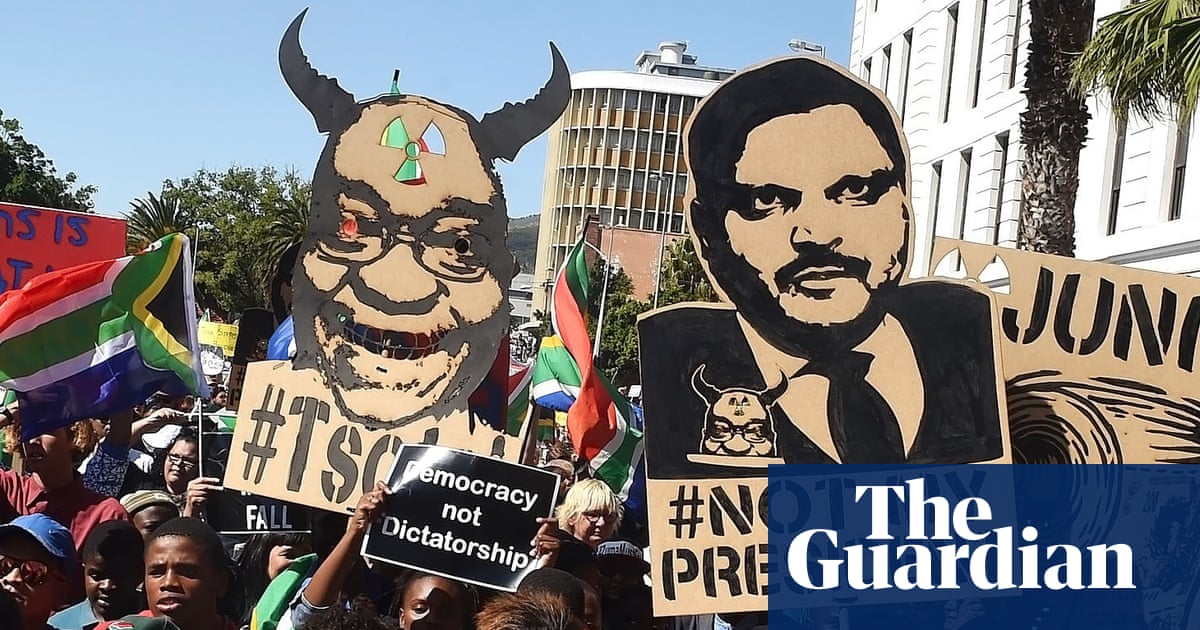
From crypto cash to cartel bribes, state capture comes in many forms. Here's what it means and why it should matter to every citizen.
Anyone who followed South Africa's Zondo Commission knows "state capture" is far more than a buzzword. Across the continent and beyond, the term describes what happens when the people who are supposed to make the rules are quietly playing for someone else's team.
Researchers define state capture as systematic corruption in which narrow interest groups take over the institutions and processes that shape public policy. The result is that decisions are steered away from the common good and toward private gain. Think of a match where the referee is on the payroll of one side: the game still looks real, but the outcome was settled before kickoff.
Capture takes many shapes, and what separates them is who holds control and which institutions get targeted. Wealthy donors can pour huge sums into a party and its leader in the hope of buying influence later. Criminal networks can bribe senior officials to wave contraband through a border, or even take over the agencies meant to police them. A foreign power can hold compromising material over a leader and use it to dictate policy. Even a lobby group that funds both the ruling party and the opposition is playing a version of the same game, because it wins whoever takes power.
Why does it matter? Because when policy is for sale, ordinary people lose out. Budgets, contracts, security and justice all bend toward whoever has paid for them, while schools, clinics and public trust go without. Spotting the different routes to capture is the first step toward blocking them, and that means asking who funds our leaders, who they answer to, and whose interests the rules actually serve.