Lana Nusseibeh's UN secretary general bid is gaining momentum, but Sudanese voices say the UAE's role in their war makes it unthinkable.
Sudan is bleeding, and many Sudanese now feel the world is about to reward one of the powers they hold responsible. The proposed candidacy of Lana Nusseibeh of the United Arab Emirates for UN secretary general is gaining endorsements fast, and it has been met with anger across Sudan and its diaspora.

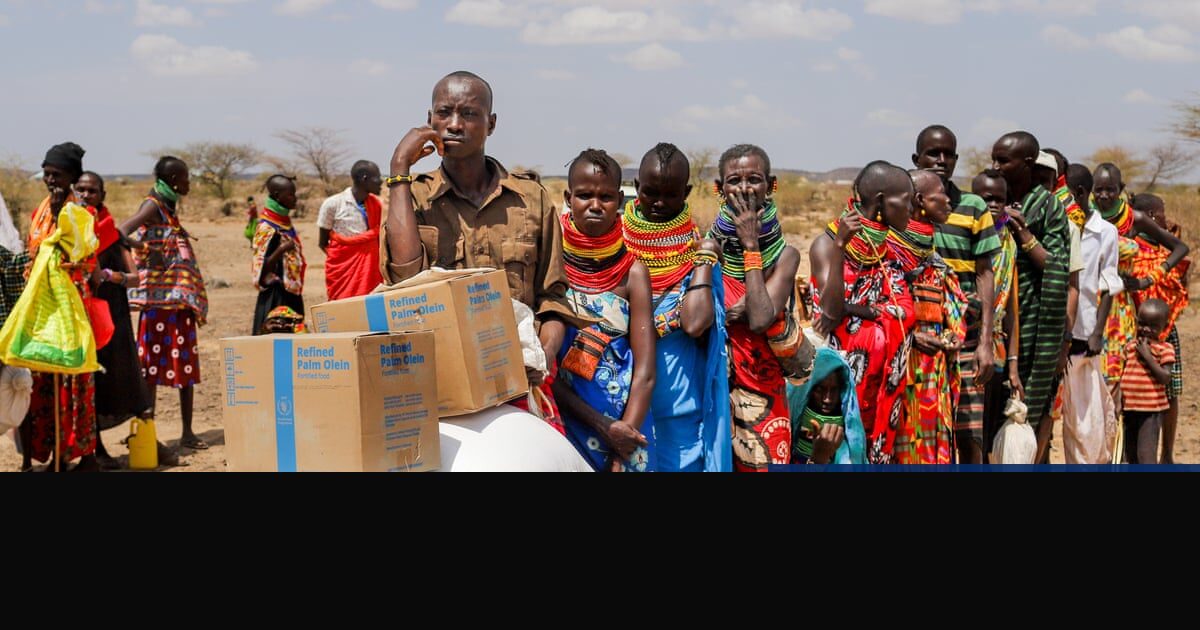
Nusseibeh is the UAE's minister of state and a former ambassador to the UN. Critics say she has been the public face of Emirati policy toward Sudan's war. Over the past three years, the UAE has been linked to backing the Rapid Support Forces (RSF) militia, helping bring in foreign mercenaries to fight alongside it, and misusing humanitarian aid channels to move weapons into the country. The RSF itself stands accused of ethnic cleansing, crimes against humanity and sexual violence. The UAE has consistently denied arming the group.
One columnist argues that her bid is the latest sign of a deeper rot in global governance. Over the past few years, assaults on international law and civilian life have gone largely unchecked, and the credibility of institutions meant to prevent such abuses has been eroding. Putting someone tied to a disputed, deadly policy at the head of the UN would, in this view, deepen that decline rather than reverse it.
For Africans, the stakes are not abstract. The next secretary general will help shape how the world responds to crises like Sudan's, from humanitarian access to accountability for atrocities. As the race heats up, expect the questions about Sudan to follow Nusseibeh's campaign at every turn.