
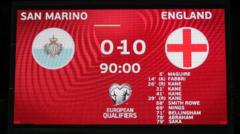
European football's governing body introduces major shake-up that separates powerhouses from minnows in qualifying rounds.
UEFA has revolutionized World Cup qualifying for 2030 by implementing a groundbreaking two-tier system that will fundamentally change how European nations battle for football's ultimate prize. The new format ensures that traditional powerhouses like France, Germany, and England will no longer face off against Europe's smallest footballing nations including San Marino, Gibraltar, and Andorra in the same qualifying groups.
This seismic shift promises to deliver more competitive matches and reduce the predictable blowouts that have characterized European qualifying campaigns. Instead of watching established giants rack up cricket scores against part-time players, fans can expect tighter contests that better reflect the continent's footballing hierarchy while still providing pathways for smaller nations to dream big.
For African football, this European restructuring sets an intriguing precedent as CAF continues evolving its own qualification processes. With powerhouse nations like Morocco, Senegal, and Nigeria consistently raising the bar on the global stage, African football administrators will be watching closely to see how tiered systems might enhance their own continental competitions.
The timing couldn't be more significant, as the 2030 World Cup will mark a historic moment with matches being played across three continents, including Morocco as part of the joint bid with Spain and Portugal. This UEFA reform ensures European qualifying will be more streamlined and competitive than ever, setting the stage for what promises to be the most globally diverse World Cup in history.


