After a 192% attendance jump post-Euro 2022, the WSL's growth has stalled, and clubs face a choice between new family crowds and loyal core fans.
The Women's Super League had its moment of lift-off. In the season after the Lionesses won Euro 2022, average attendances surged by 192%, a leap that made the league look like football's next big growth story. Now the momentum has stalled, and the question is how to move forward.
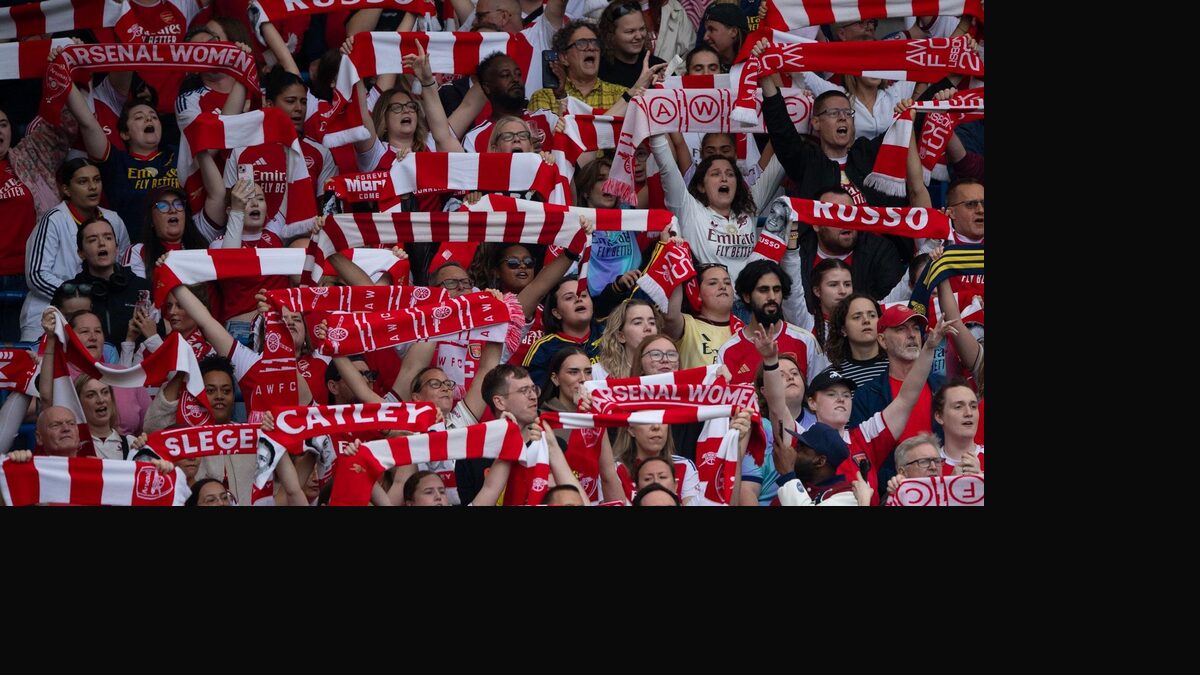
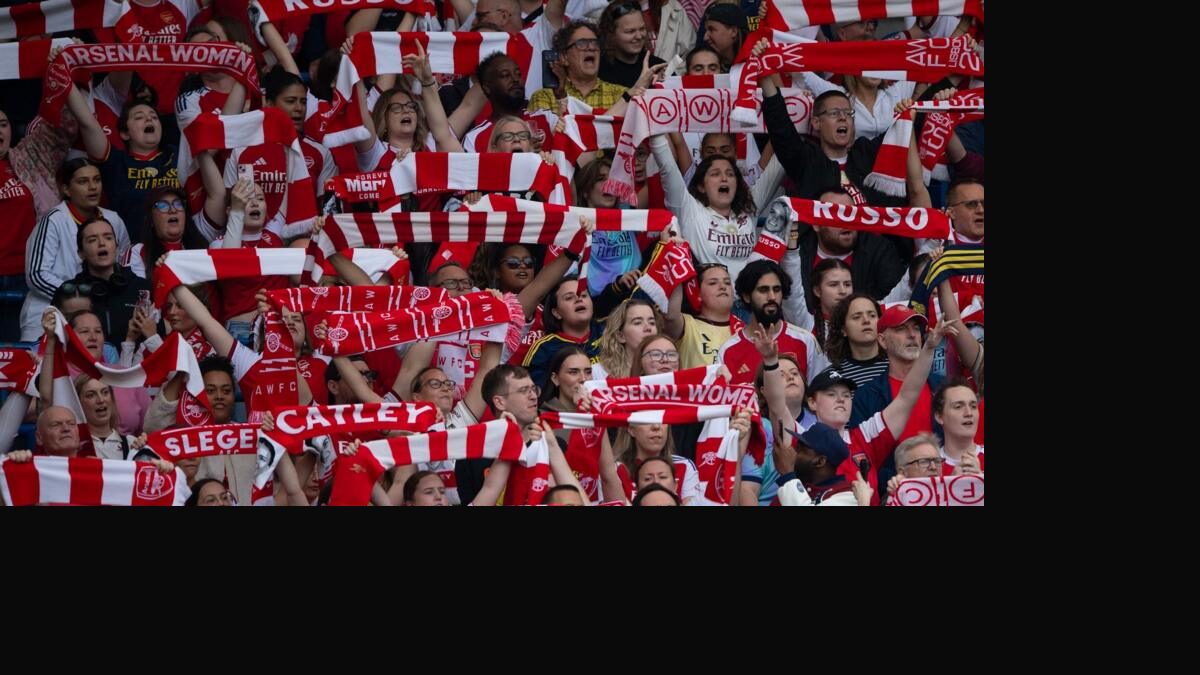
The tension at the heart of it is simple. Many of the new faces who arrived after the Euros were families, drawn by an affordable, welcoming matchday and by stars they had watched lift a trophy. Alongside them are the long-time supporters who stood by the women's game when crowds were tiny and attention was scarce.
The two groups don't always want the same things. Families tend to value accessible pricing, a relaxed atmosphere and kid-friendly touches. Loyal fans, many of whom have followed their clubs for years, want to protect the culture they helped build, from familiar seating to the feel of the matchday itself. Clubs trying to please both can end up satisfying neither.

That is the dilemma facing the WSL. A tournament triumph can open the door, but keeping people coming back takes a steady matchday product and a clear sense of who the league is built for. The 192% surge proved the appetite is there. The next challenge is turning a one-off wave into lasting growth.