Los Angeles-based Iranian supporters refuse to back their national team while forced to display the Islamic Republic's colors in Qatar.
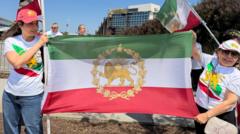
Iranian football supporters in Los Angeles are making a powerful statement at the 2022 World Cup, rejecting their national team's official flag in favor of the pre-1979 revolution symbol that FIFA has banned from stadiums. These passionate fans argue that the current flag represents a regime they fundamentally oppose, not the Iran they love and support.
The controversy highlights a deeper struggle within the Iranian diaspora, where football becomes a battleground for political identity. Many supporters living in exile refuse to celebrate their team's achievements while they're forced to compete under what they see as an illegitimate symbol. This creates an agonizing split between love of country and rejection of its current leadership.
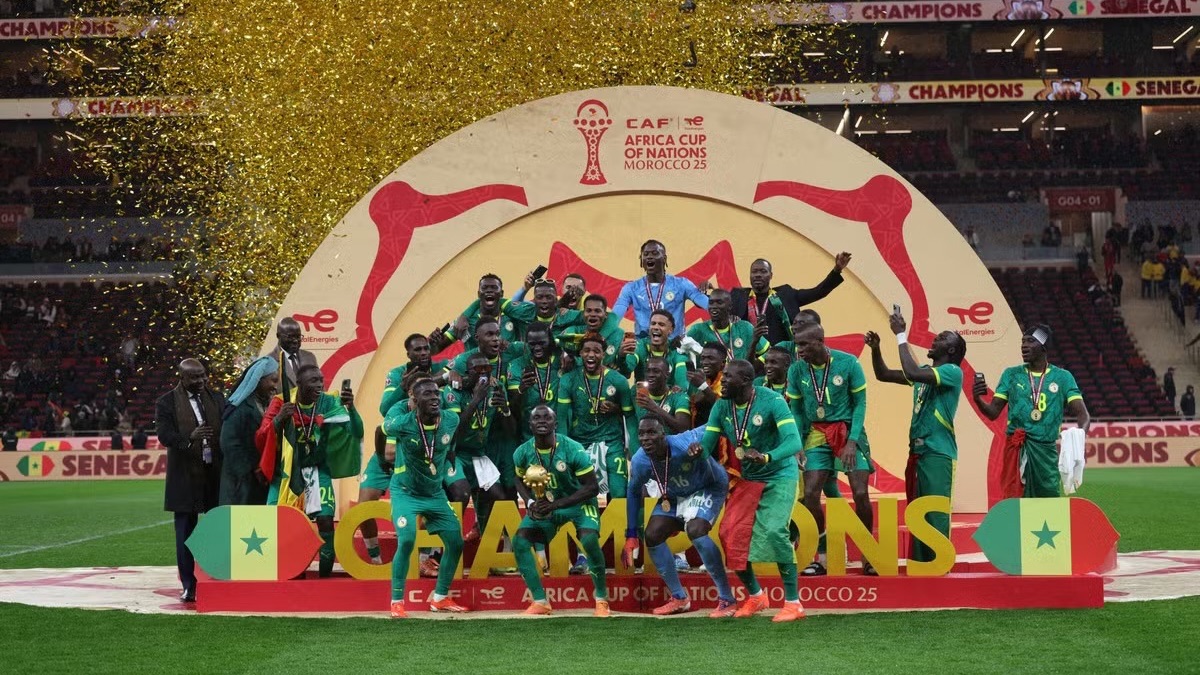
This tension between sports and politics resonates across the Global South, where African nations have similarly grappled with identity through football. From South Africa's transition from apartheid-era symbols to various African countries changing flags and anthems post-independence, the continent understands how deeply sporting representation connects to national identity and political legitimacy.
The Iranian fans' protest underscores football's unique power to amplify political messages on the world's biggest stage. While FIFA maintains strict rules about political displays, supporters continue finding ways to make their voices heard, turning stadium stands into spaces of resistance and identity expression that transcend the beautiful game itself.