The expanded tournament format creates fresh controversies that threaten to eclipse the football magic we all came to witness.
The beautiful game finds itself trapped in an ugly political web as this World Cup edition grows bigger in size and controversy. From hosting decisions mired in corruption allegations to expanded formats that dilute competition quality, football's crown jewel event faces mounting criticism that extends far beyond the pitch.
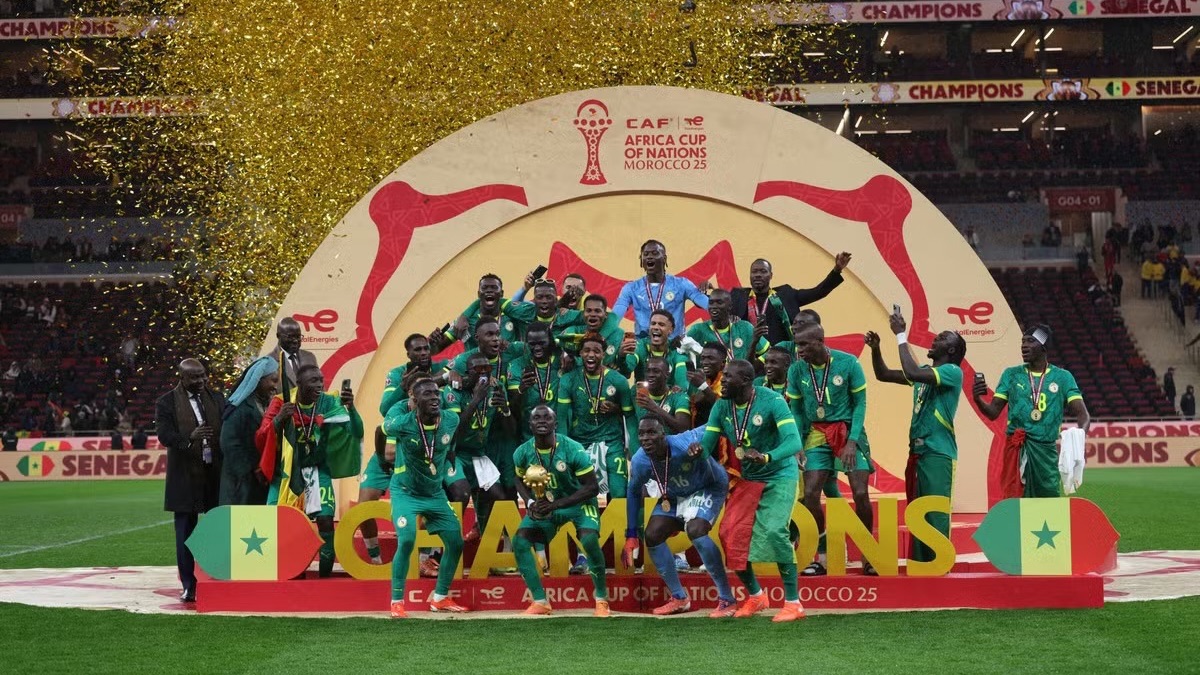
African nations stand to benefit from the tournament's expansion, with more qualification spots potentially opening doors for the continent's rising football powers. Countries like Nigeria, Senegal, and Morocco have proven they can compete with global giants, and additional berths could finally give Africa the representation it deserves on football's biggest stage.
Yet this progress comes with uncomfortable trade-offs. The politicization of World Cup hosting has turned what should be a celebration of global unity into a battleground for geopolitical influence. Corporate interests and state propaganda increasingly overshadow the athletic excellence that made generations fall in love with the sport.
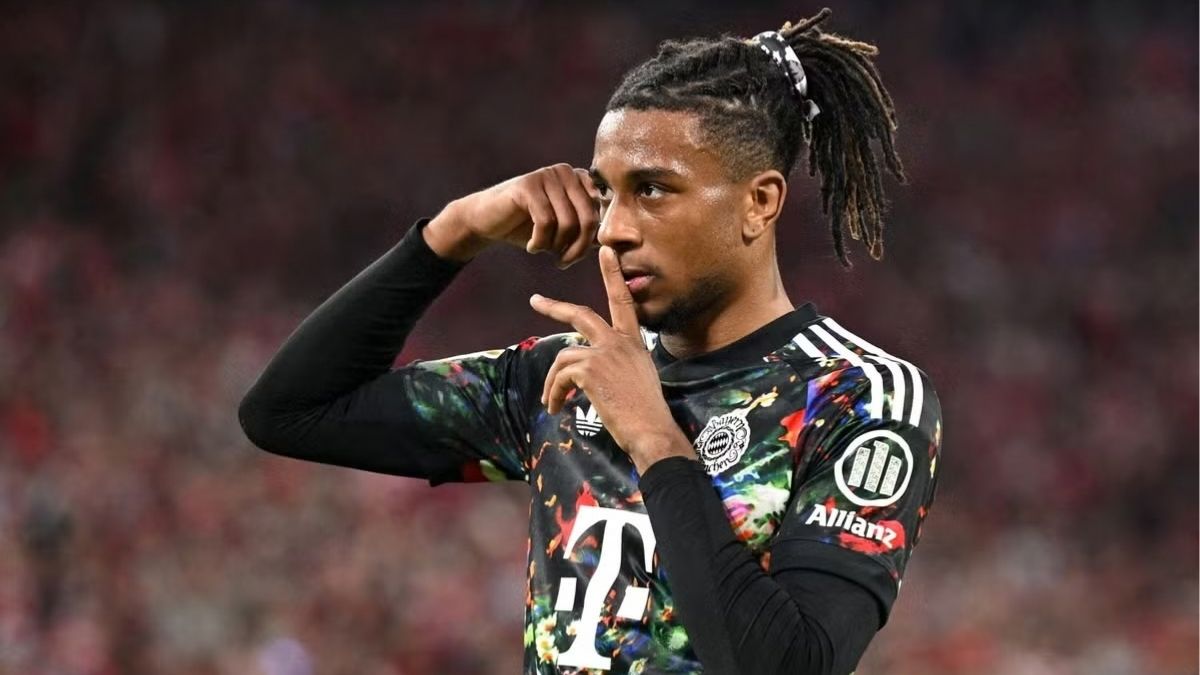
As African players scattered across Europe's top leagues prepare to represent their nations, they face the challenge of delivering magical moments that can cut through the noise. The continent's football diaspora has never been stronger, with stars like Mohamed Salah, Sadio Mané, and Victor Osimhen carrying hopes that transcend politics and remind us why we watch in the first place.