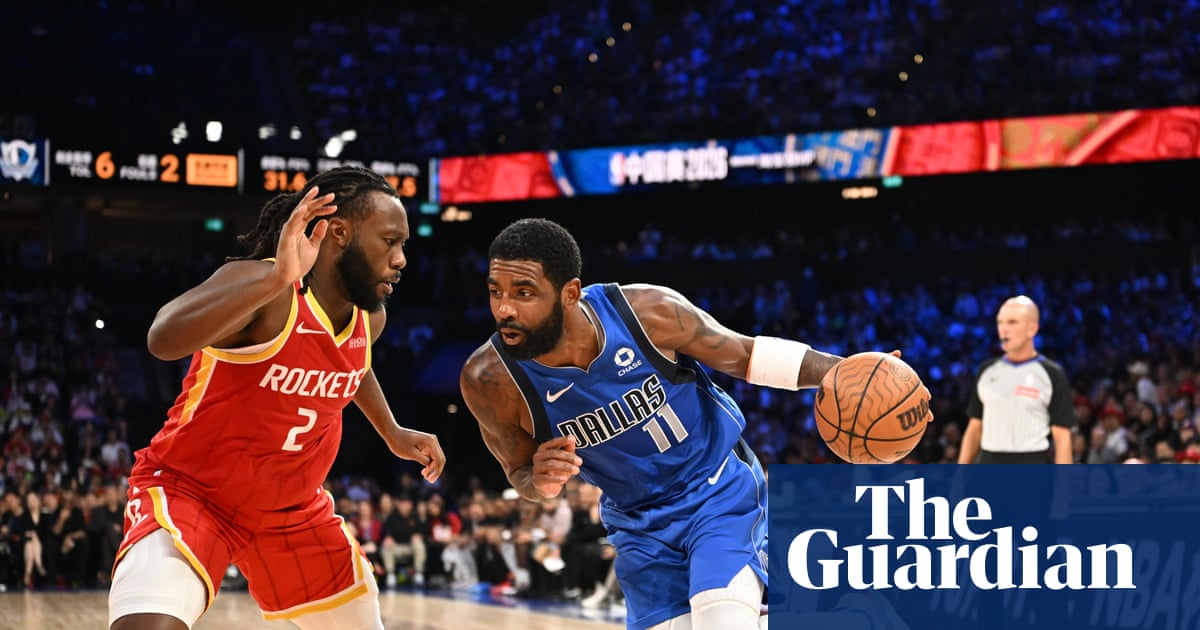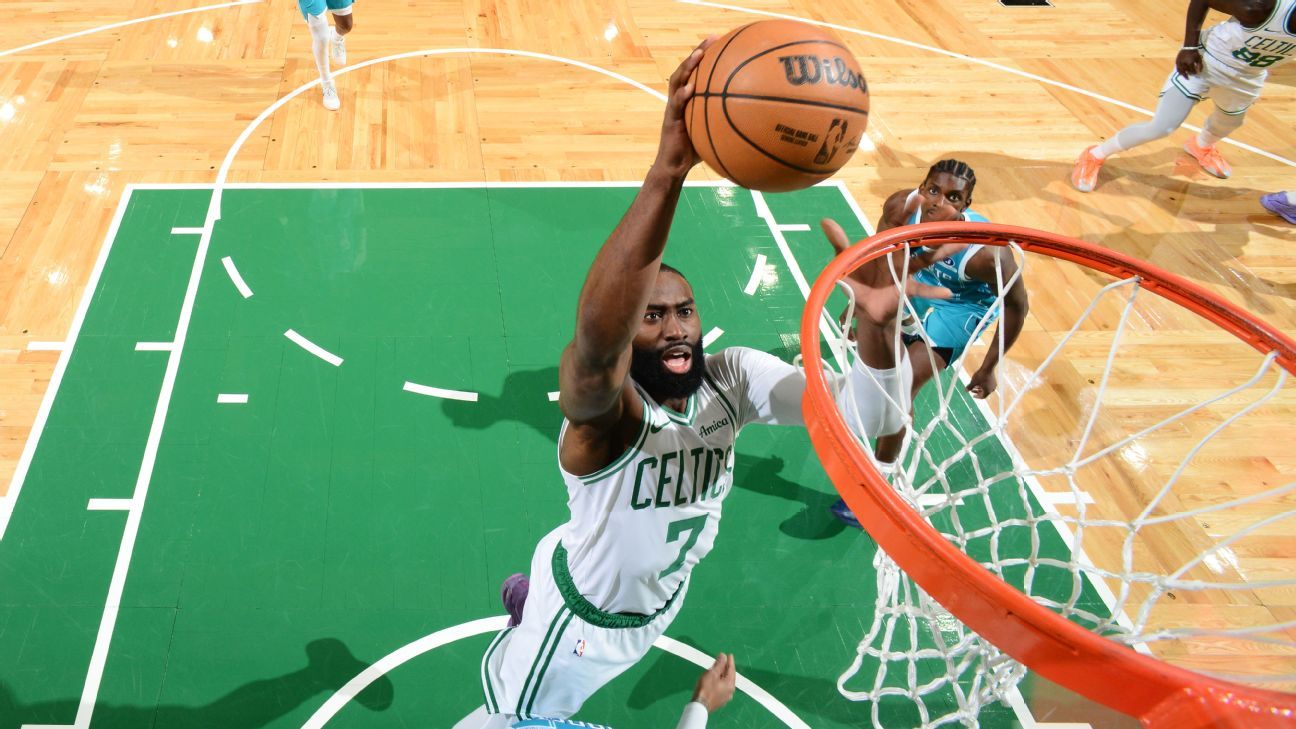
The league's pace revolution has hit a wall, with teams discovering that faster basketball doesn't always mean better basketball.
The NBA's need for speed has reached a breaking point. What started as a revolutionary shift toward uptempo basketball has morphed into a league-wide addiction that's actually hurting team performance across the board.
ESPN's Zach Kram breaks down this fascinating paradox: while every franchise chases faster possessions and quicker shots, the strategy is backfiring spectacularly. Teams are sacrificing offensive efficiency for empty possessions, turning what should be high-octane entertainment into sloppy, mistake-filled contests that leave fans wanting more substance.
This pace obsession particularly impacts African stars who built their games on different foundations. Players like Pascal Siakam and Joel Embiid developed their skills emphasizing control and precision—hallmarks of basketball cultures across Africa where every possession matters. These fundamentally sound approaches often clash with coaches demanding lightning-quick decisions that prioritize speed over basketball IQ.
The numbers tell the story: faster teams aren't necessarily winning more games. Instead, they're committing more turnovers, taking worse shots, and exhausting players who could be more effective in structured offenses. As African basketball continues producing elite talent through programs across the continent, the NBA might need to learn from these more methodical approaches that prioritize execution over pure velocity.