One year after the blockbuster draft swap, we break down which franchise made the smarter move in landing college football's biggest star.
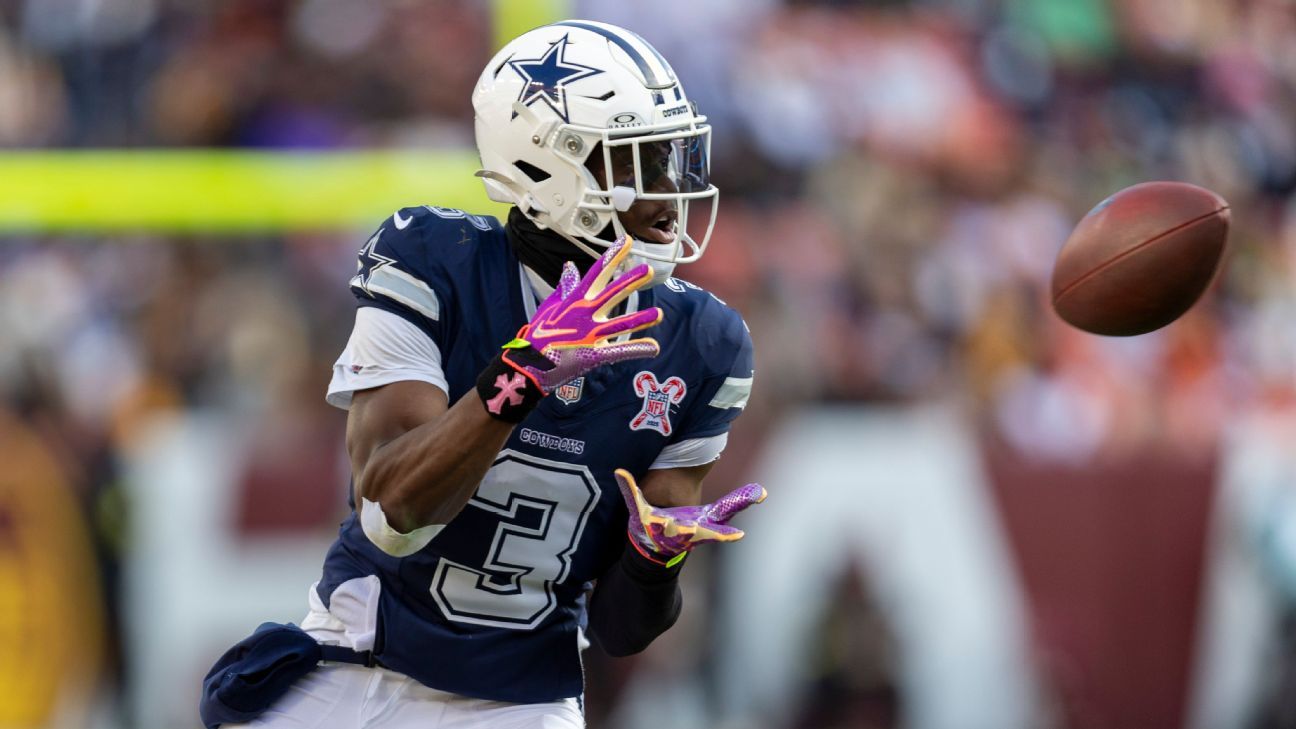
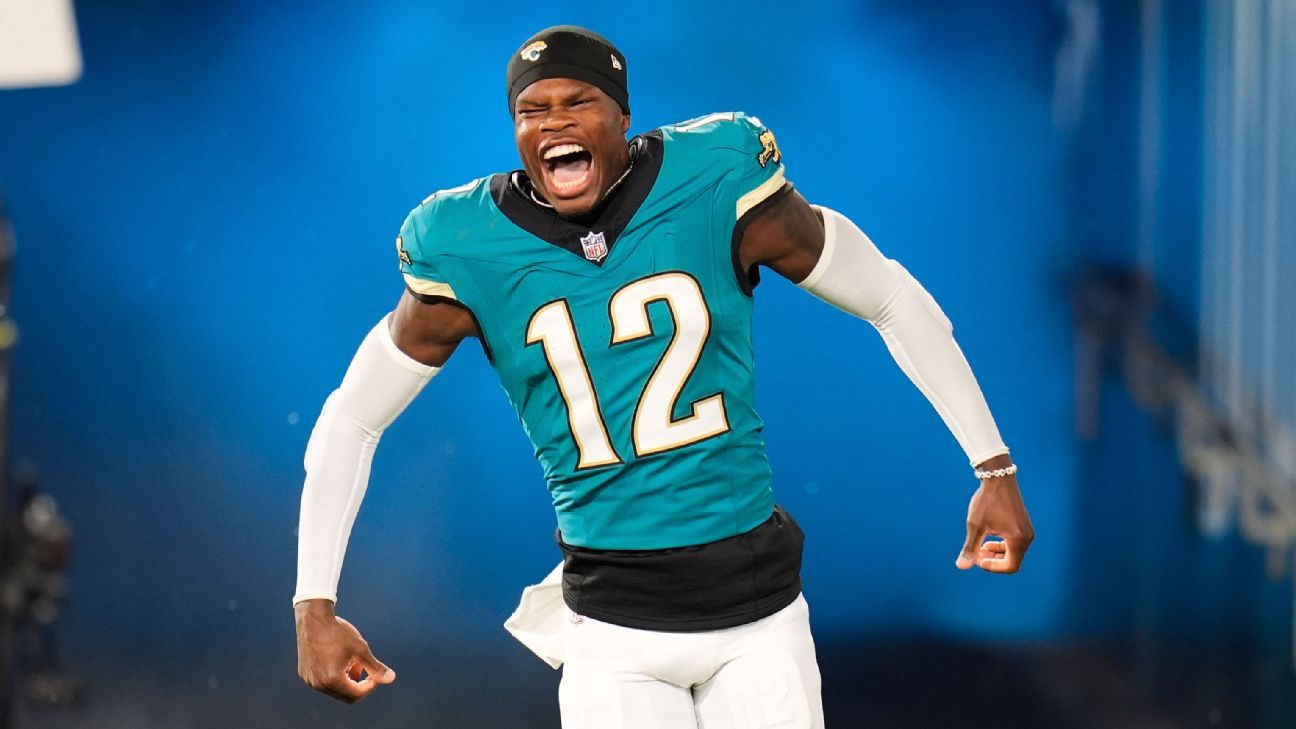
Twelve months ago, the Jacksonville Jaguars shocked the NFL world by trading up to secure Travis Hunter, college football's most electric two-way player. The deal sent Cleveland's higher draft pick to Jacksonville in exchange for additional future assets, including what became an extra first-round selection for the Browns in 2026.
Hunter's rookie campaign delivered exactly what Jacksonville hoped for – dynamic playmaking on both sides of the ball that revitalized their franchise. The former Colorado standout brought a level of versatility reminiscent of the multi-talented athletes emerging from Africa's growing football academies, where players develop skills across multiple positions out of necessity and opportunity.
Yet Cleveland's patient approach deserves serious consideration. By accumulating extra draft capital, the Browns positioned themselves to potentially land multiple impact players rather than betting everything on one generational talent. It's a strategy that mirrors how successful African national teams have built depth through smart resource management and long-term planning.
The true winner of this trade might not be clear for several more seasons. Jacksonville got their franchise cornerstone, while Cleveland secured flexibility and future options. Both franchises took calculated risks that reflect different philosophies on building sustainable success in today's NFL landscape.