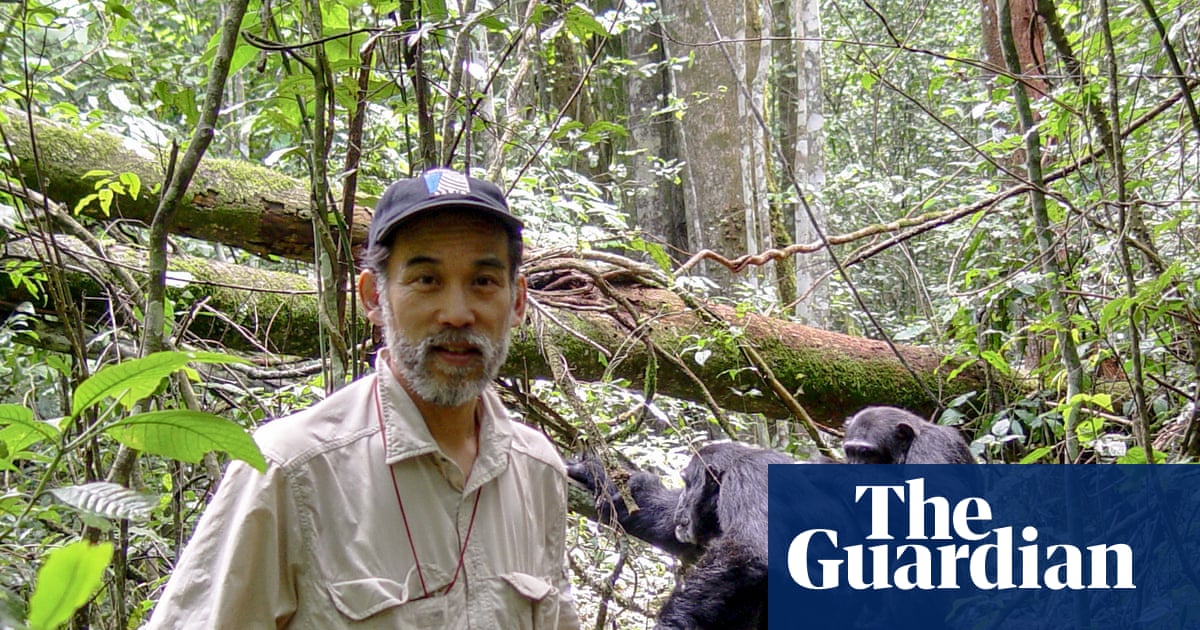
A primatologist's years in Uganda's Kibale rainforest led to a discovery about chimpanzee conflict that stunned the scientific world.
Deep in western Uganda, a rainforest has changed how the world understands our closest living relatives. Kibale National Park, a towering stretch of old-growth jungle, is where primatologist John Mitani spent years studying one of the largest chimpanzee communities ever documented. What he witnessed there stunned the scientific community.
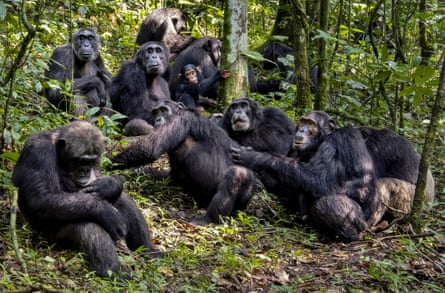
Mitani first arrived in the summer of 1995, fresh from research on chimps in Tanzania's Mahale mountains. Mahale was then home to the biggest known chimp population, about 100 individuals. But whispers were spreading that this corner of Kibale, reachable only after a 12-hour drive from Kampala, held an even more remarkable gathering of apes.
The rumours were true. The forest canopy soared as high as 40 metres. Branches sagged under African star apples and Ficus mucuso figs, and chimps darted through the trees, their calls often deafening. For a researcher, it was a dream setting.
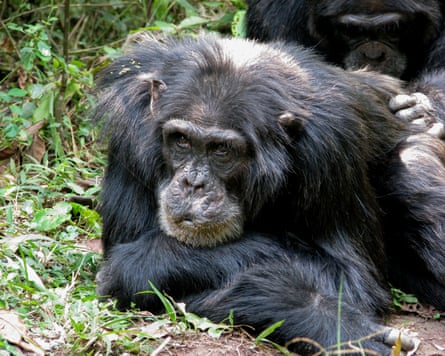
But the story took a dark turn. Over the years, the community that Mitani followed showed behaviour so unexpected that he admits he didn't want to write about it. The findings pointed to chimps engaged in something resembling civil war, a discovery that forced scientists to rethink what they knew about conflict, loyalty and group life among primates.
It is a reminder that Africa's wild spaces are still rewriting the textbooks. From Uganda's forests, research with global impact keeps emerging, and the continent remains central to understanding the animal kingdom, and ourselves.