The Tartan Army's Argentina adventure remains one of football's most cautionary tales about hubris and heartbreak.
Four decades later, Scotland's disastrous 1978 World Cup campaign in Argentina still serves as one of football's most brutal lessons in misplaced confidence. What began as a nation's euphoric belief they could conquer the world ended in crushing disappointment that haunts Scottish football to this day.
Manager Ally MacLeod had whipped an entire country into a frenzy, boldly declaring Scotland would return home with a medal. The send-off from Hampden was fit for conquering heroes, with 25,000 fans cheering as if victory was already assured. But reality struck hard in Argentina – a shocking 3-1 defeat to Peru, followed by a demoralizing draw with Iran that left Scottish dreams in tatters.
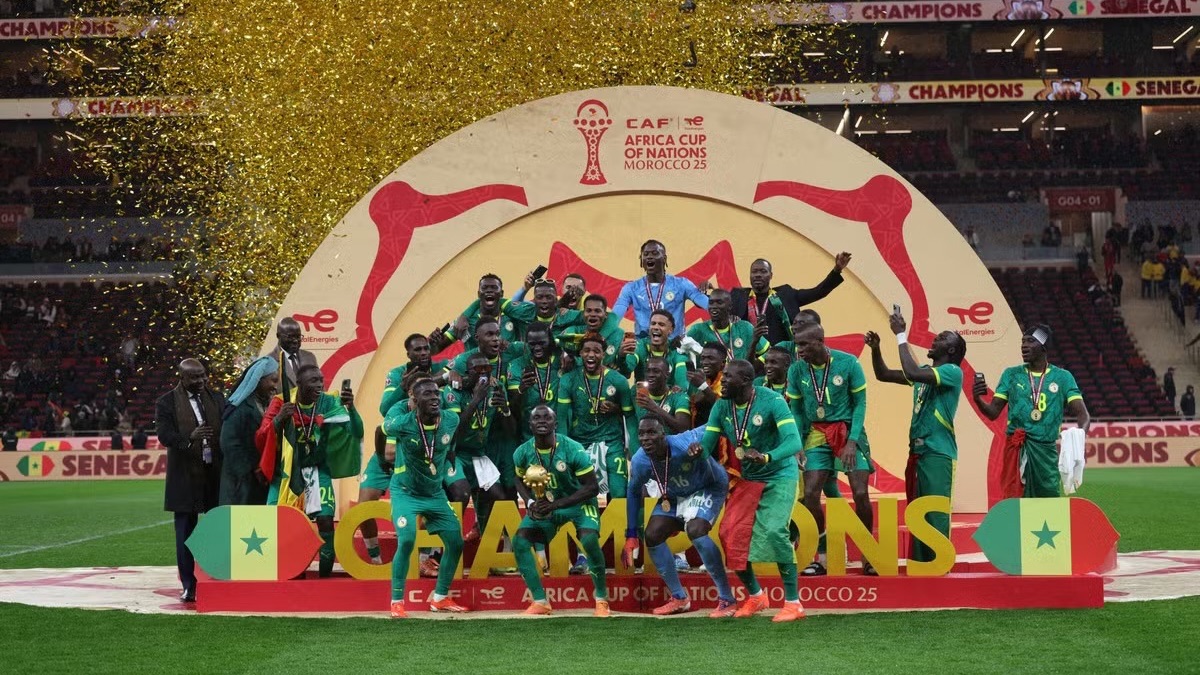
The parallels with today's football landscape are striking. Just as Scotland overestimated their global standing in 1978, many established football nations continue underestimating the rising powers from Africa and beyond. Nigeria's golden generation, Senegal's 2022 World Cup heroics, and Morocco's historic semi-final run prove that football's center of gravity is shifting toward nations once dismissed as underdogs.
Scotland's 1978 debacle ultimately teaches us that in football, respect must be earned on the pitch, not in the press conferences. Today's African teams understand this lesson well – they let their boots do the talking, building their reputations through performances rather than proclamations.