Held for 977 days by Somali pirates, one reporter now wrestles with whether forgiving his captors is true mercy or just Stockholm syndrome in disguise.
Somalia's coastline made global headlines during the surge of modern piracy, but behind the headlines were real people caught in the chaos. One of them was a journalist who came to the country in 2012 to document the piracy boom, and who ended up living it from the inside for 977 days.
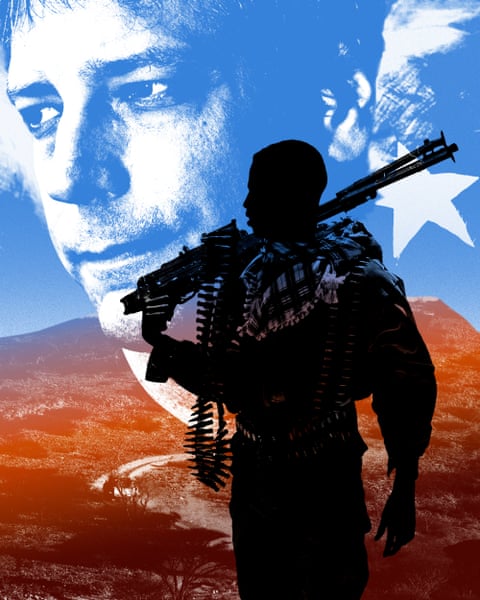
On just his tenth day in Somalia, he was seized on a dusty road near Galkayo, in the heart of the country. What followed was two and a half years of captivity. He spent most of it on a thin, sweat-soaked foam mattress in bare concrete rooms, with the locations changing while the filth and fear stayed the same. At times he was marched into the Somali savannah to camp and sleep on open ground. For a six-month stretch he was held aboard a hijacked tuna vessel alongside 28 fishermen from East Asia, who had been taken at sea weeks earlier.
The daily rhythm of captivity was set by armed guards. They sat with AK-47s across their laps, listened to the radio and chewed khat, the narcotic plant that is a fixture of life across the region. Among them was Mohamed Tahlil, a man the hostage remembers as a gentle pirate who supervised the guard team in those first months. That human contrast, a kind face within a violent system, sits at the centre of the story.
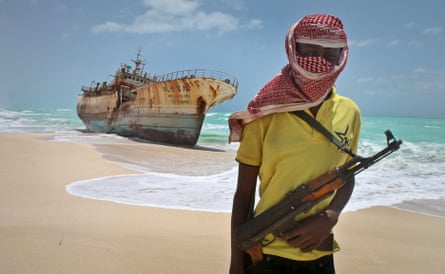
The question that follows him is a heavy one. Early on, the idea of mercy helped him endure. Now he asks whether genuine forgiveness is real moral strength or simply Stockholm syndrome by another name. It is a story that pushes past the pirate headlines to ask what justice, healing and reconciliation can look like for the people, Somali and foreign alike, whose lives were bent by piracy off the Horn of Africa.