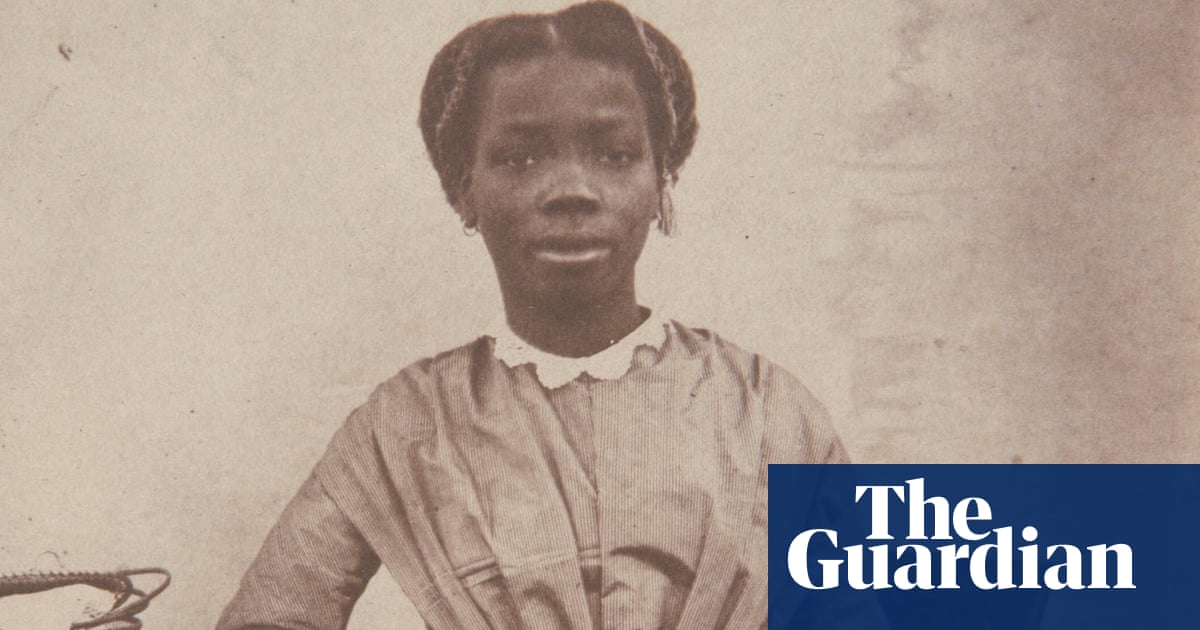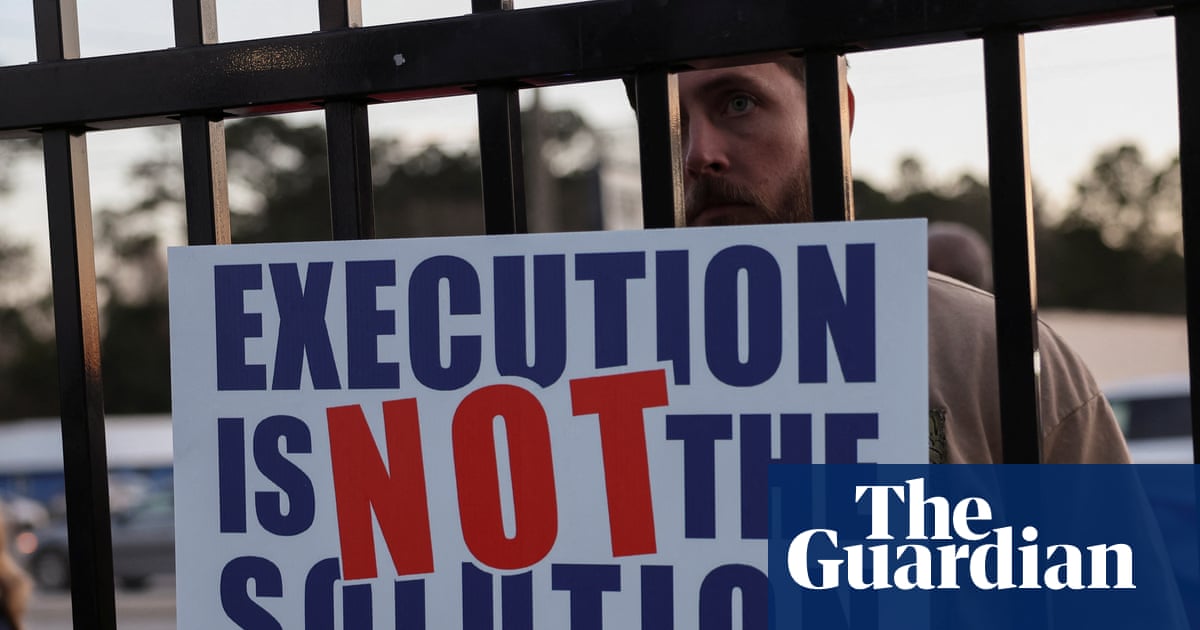
One reader asks why the world condemns filming a modern execution while historic images of the condemned still run without complaint.
This one is off the sports pitch, but it's a debate worth having. A reader from North Yorkshire has put a sharp question to the editors. If there is worldwide revulsion at a plan to livestream a judicial killing in the United States, why do historic images of executions still get published?
He points to two examples from a recent print edition: a man waiting in an electric chair in 1928, and conspirators in the Abraham Lincoln assassination on the gallows in 1865. They ran beside a piece asking whether a botched execution could help bring the death penalty in the US to an end. His verdict is simple: he's glad neither was filmed. The letter leaves open where the line sits between documenting history and spectating on death.
A second reader raised a very different complaint. He was disappointed by a feature on the Pen-y-Gwryd Hotel, the Welsh mountain inn tied to the story of the first ascent of Everest. In his view, it left out Sir Charles Evans, who lived just miles away in Capel Curig and whose tankard still hangs behind the bar.
He calls Evans a hero of British mountaineering who is too often missing from the commentary, and the reason the hotel belongs in the story at all. It's a reminder that the people behind big achievements can slip out of the telling, however well-known the moment.